



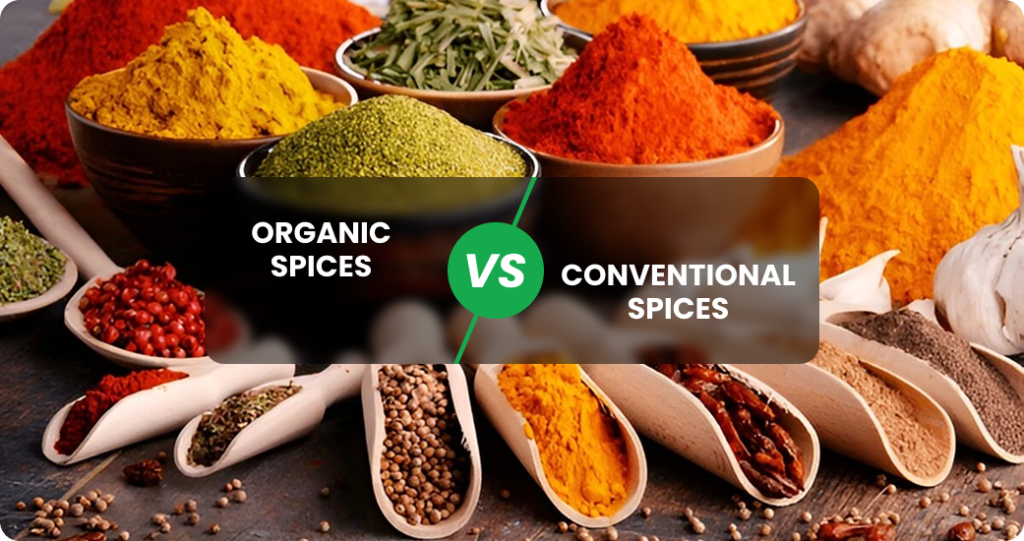
Spices are essential ingredients in kitchens around the world, enhancing flavors, aromas, and nutritional value. Ground spices like chilli powder, turmeric powder, coriander powder, cinnamon powder, clove powder, and others form the backbone of many culinary traditions. These spices come in two main forms: organic and conventional. While both types offer similar culinary benefits, their production processes, environmental impact, and health benefits can differ significantly. This article provides an in-depth look at the differences between organic and conventional ground spices, with a focus on the production methods and insights related to popular spices like chili, turmeric, cinnamon, cumin, and more.
Export-Ready Psyllium, Spices & Grains Await! Contact Now



Organic Spices:
These are grown without synthetic fertilizers, pesticides, or genetically modified organisms (GMOs). Organic farming practices focus on sustainability, biodiversity, and soil health. Organic ground spices undergo strict certification processes and must meet specific regulatory standards to carry the organic label.
Conventional Spices:
These are grown with the aid of synthetic chemicals, including fertilizers and pesticides, to enhance yield and protect against pests. Conventional farming is often more reliant on chemical inputs, which can impact the environment and human health. While conventional spices are typically more affordable, they may contain pesticide residues and are less sustainable compared to organic options.
Understanding the differences in the production of these spices is key for consumers who prioritize environmental impact, health, and sustainability.
Production Insights for Popular Ground Spices
Let’s explore the production methods for some of the most commonly used ground spices and how they differ when grown organically or conventionally.
Organic Production:
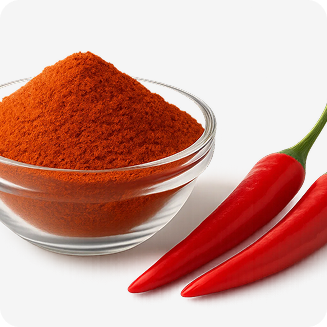
Organic chili peppers are grown using natural pest control methods and organic fertilizers like compost and manure. The production process involves more manual labor and care in pest management, which often leads to smaller yields.
Conventional Production:
Conventional chili farming involves the use of chemical pesticides, herbicides, and fertilizers to boost production. It allows for higher yields and more uniform crop growth, but pesticide residues can be present in the final product.
Organic Production:
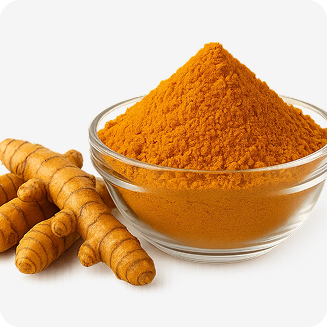
Organic turmeric is grown in soil rich in organic matter without synthetic pesticides. The roots are hand-harvested, cleaned, and dried naturally, ensuring minimal environmental impact. Organic turmeric is often considered more potent due to its higher curcumin content.
Conventional Production:
In conventional turmeric farming, synthetic fertilizers and pesticides are used to increase yields and protect crops from pests. While this leads to more affordable turmeric, it may not offer the same health benefits as organic turmeric, especially in terms of purity and potency.
Organic Production:
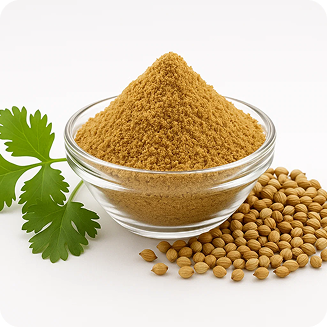
Organic coriander is cultivated without synthetic chemicals, ensuring that the soil remains fertile and rich in biodiversity. The coriander seeds are harvested manually to prevent contamination from pesticides and fertilizers.
Conventional Production:
Conventional coriander farming uses synthetic chemicals to control weeds and pests, often leading to higher yields but with the potential for pesticide residues on the seeds. The seeds are then processed into powder, sometimes involving the use of artificial drying agents.
Organic Production:
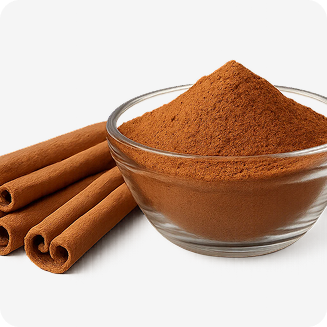
Organic cinnamon is sourced from organically grown trees, where no chemical fertilizers or pesticides are used. The bark is harvested by hand and processed with minimal mechanical intervention to preserve the aromatic oils.
Conventional Production:
In conventional cinnamon farming, synthetic fertilizers and pesticides are used to increase production. The cinnamon bark is mechanically harvested and processed, which can sometimes affect the quality and flavor of the final product.
Organic Production:
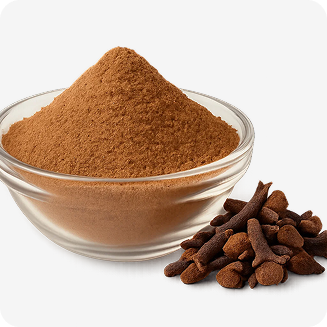
Organic cloves are grown in pesticide-free environments, using natural fertilizers and pest management practices. The clove buds are hand-harvested and dried in natural sunlight to preserve their volatile oils, which contribute to their potent aroma and flavor.
Conventional Production:
Conventional cloves are produced with the help of chemical fertilizers and pesticides. They are typically harvested using machinery, which can result in uneven quality and a potential loss of volatile oils that contribute to flavor.
Organic Production:
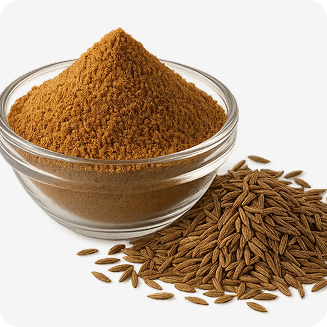
Organic cumin is grown without synthetic pesticides or fertilizers. The cumin plants are naturally resistant to pests and are often rotated with other crops to maintain soil health. After harvesting, the cumin seeds are carefully dried and ground into powder.
Conventional Production:
Conventional cumin farming relies heavily on pesticides and chemical fertilizers to maximize yield. The seeds are mechanically harvested and undergo industrial processing, which may affect the flavor and purity of the final product.
Organic Production:
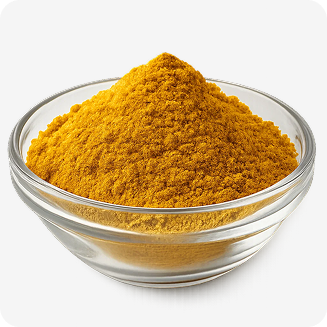
Organic curry powder is a blend of organic spices such as turmeric, cumin, coriander, and fenugreek, all grown using sustainable farming methods. Organic spices are often more flavorful due to the natural farming practices, which result in richer oils and essential compounds.
Conventional Production:
Conventional curry powders are made from spices that may be grown using synthetic fertilizers and pesticides. These powders may contain preservatives or artificial colorings to maintain consistency and prolong shelf life.
Organic Production:
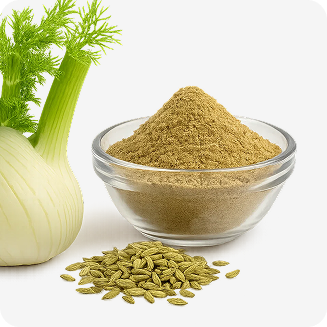
Organic fennel is grown in nutrient-rich, chemical-free soil. The seeds are harvested without the use of synthetic pesticides, and the plants are often hand-harvested and naturally dried.
Conventional Production:
Conventional fennel farming uses chemical pesticides and fertilizers to boost yield. The seeds are mechanically harvested and processed, often involving industrial drying methods that can affect the aroma and flavor.
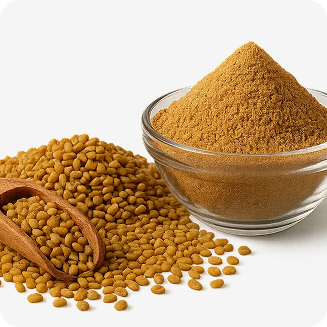
Organic Production:
Organic fenugreek is grown using natural pest control methods and without synthetic fertilizers. The seeds are harvested manually and dried naturally to preserve their flavor and health benefits.
Conventional Production:
Conventional fenugreek farming relies on pesticides and fertilizers to increase yield and reduce costs. The seeds may be treated with chemical drying agents to accelerate the processing time.
Organic Production:
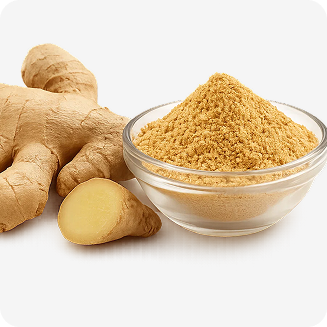
Organic ginger is grown without the use of chemical pesticides or synthetic fertilizers. The ginger roots are harvested by hand and dried naturally, preserving the ginger’s natural oils, which contribute to its pungency and medicinal properties.
Conventional Production:
Conventional ginger farming involves the use of synthetic fertilizers and pesticides to increase crop yield. The ginger roots are often dried using industrial methods, which can alter their taste and aroma.
Organic Production:
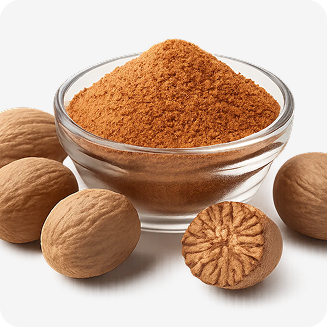
Organic nutmeg is sourced from trees that are free from chemical treatments. The seeds are manually harvested and carefully dried, preserving the integrity of the essential oils that give nutmeg its distinctive flavor.
Conventional Production:
In conventional farming, nutmeg trees are treated with synthetic pesticides and fertilizers. The seeds are mechanically harvested, which can sometimes result in uneven quality.
Organic Production:
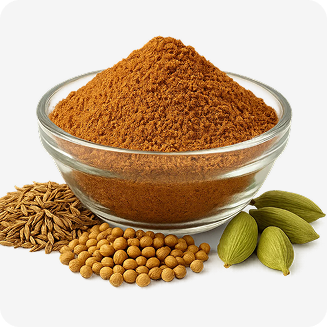
Organic garam masala blends are made from organic spices like cumin, coriander, and cardamom, grown using sustainable farming methods. The spices are hand-ground to preserve their natural oils, resulting in a more aromatic and flavorful blend.
Conventional Production:
Conventional garam masala blends may include spices grown with synthetic fertilizers and pesticides. These blends often undergo industrial grinding, which can reduce the potency of the aromatic oils and flavors.


Key Differences in Production Between Organic and Conventional Spices
Farming Practices:
Organic spices are grown in soil that is free of synthetic fertilizers and pesticides. They often require more labor-intensive farming techniques and crop rotations to maintain soil fertility. Conventional spices, on the other hand, are grown using chemical inputs to increase yield and reduce pest damage.
Processing:
Organic spices are processed with minimal use of chemicals and are often dried and ground using more traditional methods. Conventional spices are frequently processed with the use of chemical drying agents and machinery, which can sometimes reduce the quality of the final product.
Environmental Impact:
Organic farming promotes biodiversity, improves soil health, and minimizes environmental damage by avoiding chemical inputs. Conventional farming, while more cost-effective, often leads to soil depletion and pollution from synthetic chemicals.
Health and Safety:
Organic spices are generally considered safer due to the absence of pesticide residues and the focus on natural farming methods. Conventional spices may contain pesticide residues that could pose health risks when consumed in large amounts.
Conclusion
The choice between organic and conventional ground spices ultimately depends on the priorities of the consumer or business. While conventional spices tend to be more affordable and widely available, organic spices offer superior quality, enhanced flavor, and fewer environmental and health concerns. By choosing organic spices, consumers and businesses can support sustainable farming practices and enjoy the full health benefits these spices have to offer.
Get Bulk Psyllium, Spices & Grains Quotes Today!

FAQs on Ground Spices
Q. Are organic ground spices more expensive than conventional ones?
Yes, organic ground spices tend to be more expensive due to the labor-intensive farming practices, lower yields, and the costs associated with organic certification.
Q. Do organic spices have better flavor than conventional ones?
Organic spices often have a more robust and aromatic flavor because they are grown in nutrient-rich soil without the use of synthetic fertilizers and pesticides.
Q. Are pesticide residues common in conventional ground spices?
Yes, conventional spices may contain pesticide residues, but they are generally within the safety limits established by regulatory authorities. However, organic spices are free from such residues.
Q. How can I ensure the authenticity of organic ground spices?
Look for certification labels such as USDA Organic or EU Organic to ensure that the spices meet the required organic standards. Additionally, buying from trusted suppliers can help ensure quality and authenticity.
Q. Can I use conventional spices in cooking if I prefer organic products?
Yes, conventional spices are safe to use in cooking, but if you are concerned about pesticide exposure, choosing organic spices whenever possible is a healthier alternative.

Mihir Shah is the CEO of Giriraj Enterprise, a trusted manufacturer, supplier, and exporter of Psyllium products, whole spices, ground spices, herbal products, guar gum and other agro products including Psyllium Husk, Psyllium Seeds, Psyllium Husk Powder and Kha Kha Powder. Founded in 1973 and based in Unjha, Gujarat, Giriraj Enterprise has grown significantly under Mihir’s leadership, establishing itself as a trusted name in the global market. With a focus on high-quality standards and adherence to international food norms, the company serves a wide customer base across the globe.
A strategic thinker with a passion for sustainable growth, Mihir has played a pivotal role in expanding the company’s production capacity, which now stands at 3,000 quintals per month, and in ensuring that Giriraj Enterprise remains at the forefront of innovation in the industry. His commitment to quality is reflected in the company’s stringent in-house quality testing and third-party verification, ensuring that all products meet the highest standards of excellence. He is dedicated to driving customer satisfaction by offering fast, reliable services both domestically and internationally.
Through his writing, Mihir shares valuable insights and knowledge about Psyllium, spices, herbal and other agro products, educating readers on their benefits and the role they play in promoting health and well-being. His goal is to provide factual, transparent information to help consumers and businesses make informed decisions.