



AI Summary
This article is a step-by-step guide for businesses looking to enter or expand in the private label psyllium market. It covers how to define and segment target audiences – from health-conscious consumers and supplement buyers to institutional buyers, retailers and export markets. The guide walks through market research methods, audience mapping, channel selection, compliance requirements and how to evaluate Psyllium Powder Manufacturers and Exporters. Whether you are new to the category or scaling an existing Private Label Psyllium Husk, this article helps you make data-driven decisions on market positioning and outreach.
Private Label Psyllium Husk
The global demand for dietary fiber supplements has grown considerably over the past decade and psyllium remains one of the most commercially active categories within it. For brands, distributors and entrepreneurs exploring Private Label Psyllium Husk, the challenge is rarely the product itself – it is identifying the right market to enter, with the right audience, through the right channels.
Market identification is the foundation of a successful private label launch. This guide breaks down how to approach market identification systematically – from defining your audience to evaluating competition and selecting supply partners.
Get Bulk Psyllium, Spices & Grains Quotes Today!



Private Label Psyllium Products: Identifying the Right Market
Step 1: Psyllium Husk Market - Define Your Product Positioning First
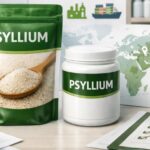
Before identifying a market, you need to define what your product actually is within the psyllium category. Psyllium comes in multiple commercial forms – whole husks, fine powder and coarse granules – and each appeals to a different buyer. A brand selling Psyllium Husk in a whole-husk format typically targets traditional health food buyers or international bulk purchasers. A brand selling Psyllium Husk Powder is more likely targeting supplement formulators, functional food manufacturers or retail wellness consumers who prefer mixable formats.
Your positioning – premium, clinical, everyday wellness or bulk ingredient – determines every market decision that follows. Clarify this internally before conducting any outreach.
Step 2: Private Label Psyllium Husk - Map and Segment Your Target Audience
Audience mapping is the most critical step in market identification. The Private Label Psyllium Husk category serves several distinct buyer personas, each with different needs, purchase behavior and distribution preferences.
Health-Conscious Consumers
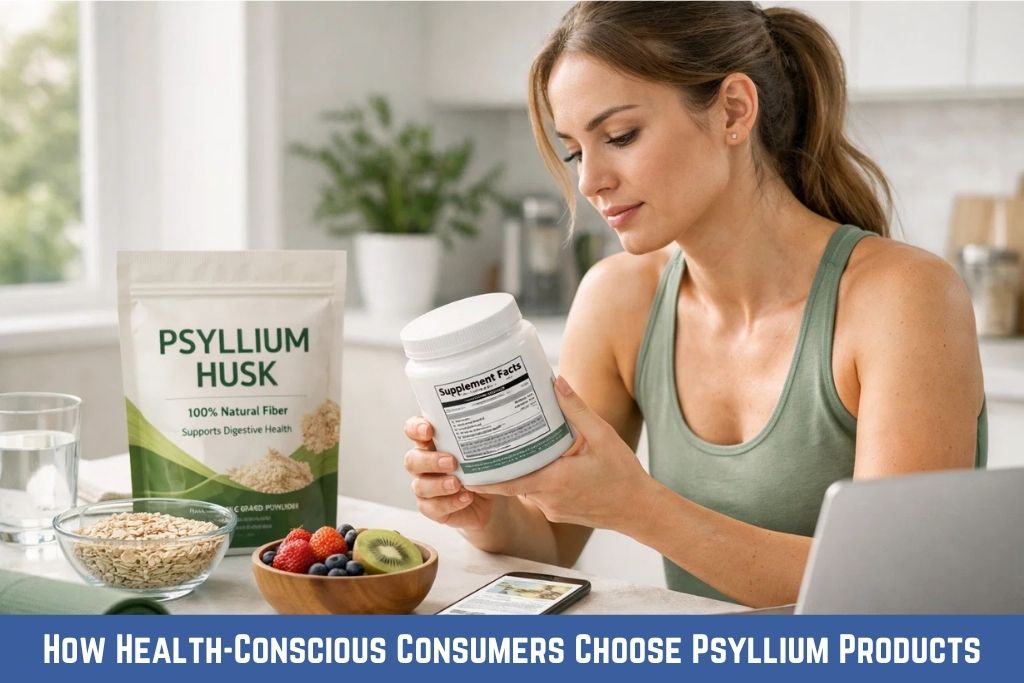
This group is driven by proactive wellness goals. They actively read ingredient labels, research fiber sources and prefer products with clean formulations. They tend to shop online – through marketplaces or brand-direct channels. To reach them effectively, your private label product needs clean packaging, credible sourcing claims and a strong digital presence.
Supplement Buyers and Functional Nutrition Users
These buyers are looking for specific outcomes – digestive regularity, cholesterol management or blood sugar modulation. They are more likely to purchase capsules, sachets or pre-measured powder formats. This audience responds well to efficacy-focused messaging and may seek clinical references or certifications before purchase. Psyllium Powder in dosage-friendly formats is particularly well-suited for this segment.
Digestive Wellness Users
This is a broad, recurring buyer group that includes individuals managing chronic digestive conditions and those using fiber as a daily ritual. They tend to be brand loyal once they find a product that works. Retail pharmacy chains, health food stores and subscription-based wellness platforms are strong channels for this audience. Product consistency and reliable sourcing are more important to this group than novelty.
Retailers and Private Label Distributors
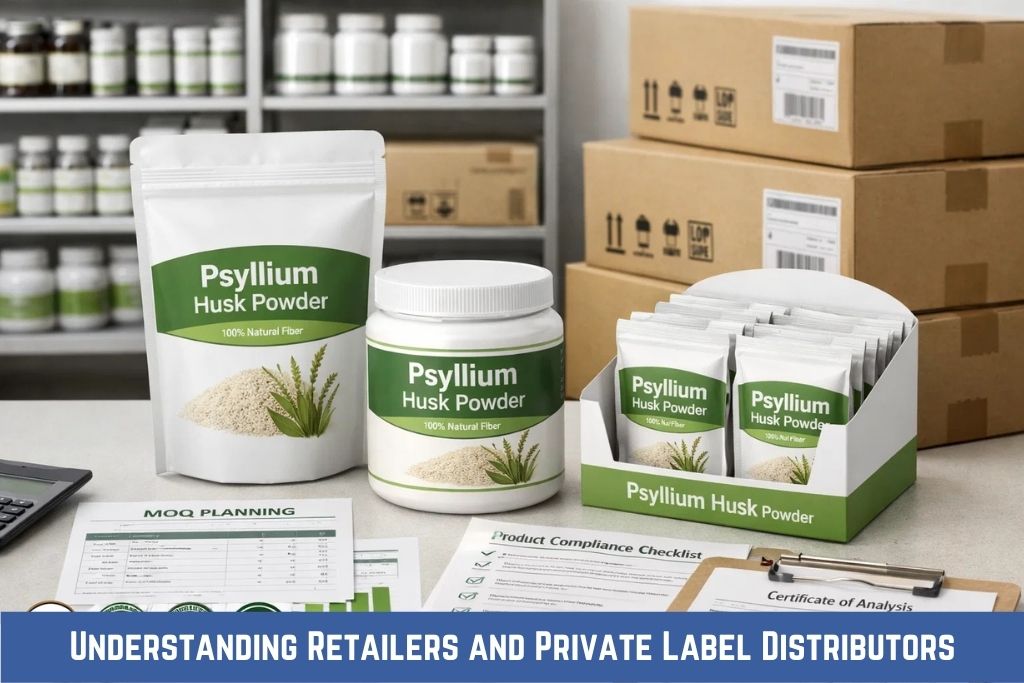
Retailers – from independent health stores to large pharmacy chains – represent a business-to-business buyer segment with very different needs. They look for consistent MOQs, shelf-stable packaging, compliance documentation and competitive pricing. If you are sourcing Private Label Psyllium Husk Powder for retail distribution, your product needs to meet retailer-specific label requirements and often regional food safety standards.
Export Markets and International Buyers
Given that India accounts for a dominant share of global psyllium production, Psyllium Husk in India is an internationally trusted source. Export buyers from Europe, North America and parts of Asia seek consistent quality, competitive sourcing and appropriate certifications. These buyers often work directly with Psyllium Husk Exporters and need documentation such as phytosanitary certificates, COAs and food safety compliance records.
Step 3: Private Label Psyllium Powder - Research Market Demand and Category Trends
Once you have defined your audience segments, validate them through structured market research. Analyze search volume data for terms related to Psyllium Husk, digestive health supplements and fiber products in your target geography. Look at trade publications, health and wellness retail reports and category data from supplement industry associations.
Identify whether your target market is growing, mature or underserved. In many emerging markets, psyllium remains under-represented in mainstream retail, which may signal an entry opportunity. In developed markets, differentiation through quality certifications, unique formats or targeted health claims often matters more than price.
Step 4: Uses for Psyllium Husk Powder - Identify Application-Specific Niche
Understanding the range of uses for psyllium husk powder helps you identify which industry verticals your product can enter beyond conventional supplements. The ingredient is used in functional foods, gluten-free baking applications, clinical nutrition products, animal feed and pharmaceutical formulations. Each of these verticals carries distinct purchasing patterns, regulatory standards and buyer profiles.
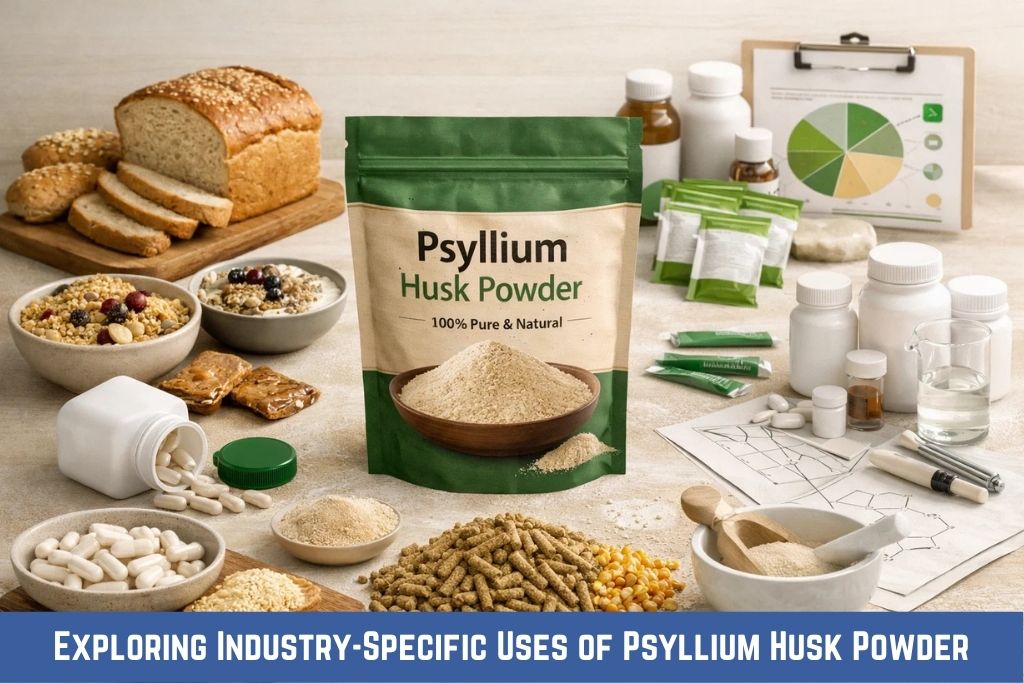
For example, a food manufacturer sourcing psyllium for gluten-free bread formulations has very different specifications from a nutraceutical brand creating fiber capsules. By mapping the full landscape of benefits for psyllium husk, you can identify adjacent opportunities that your competitors may have overlooked.
Step 5: Psyllium Husk Exporters - Evaluate Supply Chain Compatibility
Market selection is incomplete without assessing supply chain readiness. The market you enter must be compatible with your sourcing capabilities. If you are working with Psyllium Husk Exporters, verify that they can meet the specific grade, purity, mesh size and certification requirements of your target market.
For the European market, for instance, buyers typically require organic certification and contaminant testing reports. For GCC markets, halal certification may be mandatory. US buyers often require FDA facility registration and allergen declarations. Align your sourcing partner’s documentation capabilities with the market you intend to serve before committing to that market.
Step 6: Psyllium Powder Manufacturers - Assess Private Label Capabilities
Not all Psyllium Powder Manufacturers offer private label services and among those that do, capabilities vary significantly. When evaluating a manufacturing partner, assess their minimum order quantities, labeling flexibility, packaging formats available, lead times, quality assurance protocols and regulatory compliance support.
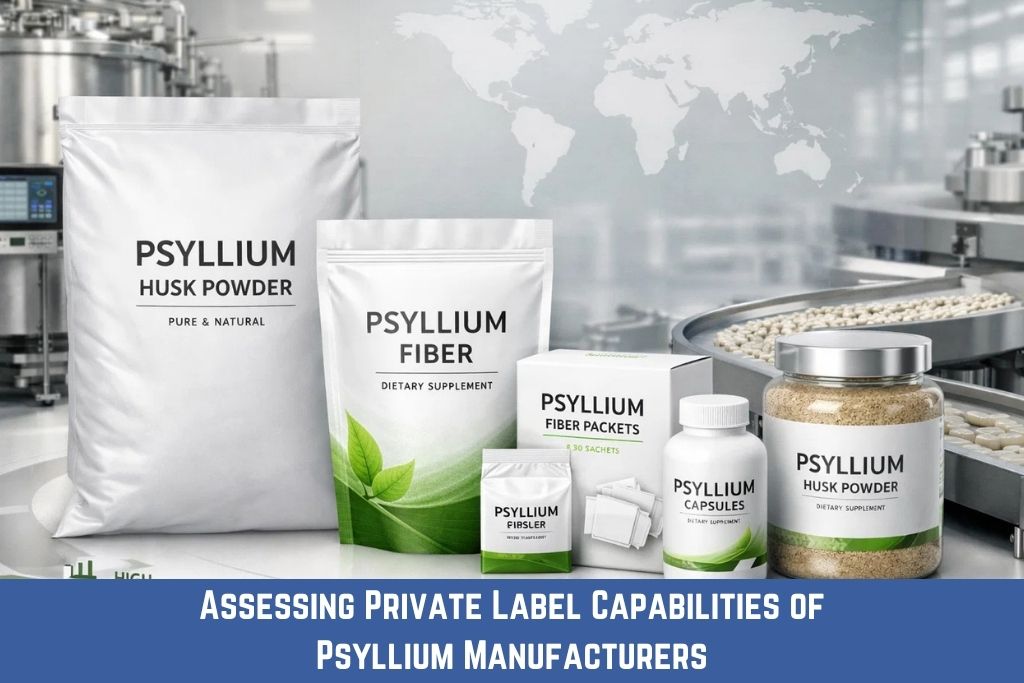
A manufacturer’s ability to accommodate your market requirements – whether that involves custom sachets for a pharmacy chain, bulk powder for a food brand or capsule formats for an e-commerce supplement brand – directly shapes which markets are accessible to you. Qualify at least two to three Psyllium Powder Manufacturers before finalizing a target market strategy, since supply-side limitations can restrict market entry.
Step 7: Psyllium Husk Powder - Analyze Competitive Positioning in the Target Market
Entering a market without understanding the competitive landscape is a common mistake in private label product launches. Audit the current offerings in your chosen market – who the dominant brands are, what price tiers they operate in and what gaps exist. In many markets, Psyllium Husk Powder is sold primarily by legacy supplement brands with minimal product differentiation.
A gap analysis can reveal untapped positioning – for example, a psyllium brand targeting younger consumers with flavor-blended powder formats or a clinical brand emphasizing third-party purity verification. Your competitive differentiation strategy should emerge directly from this analysis.
Step 8: Private Label Psyllium Husk Powder - Select Channels Based on Audience Behavior
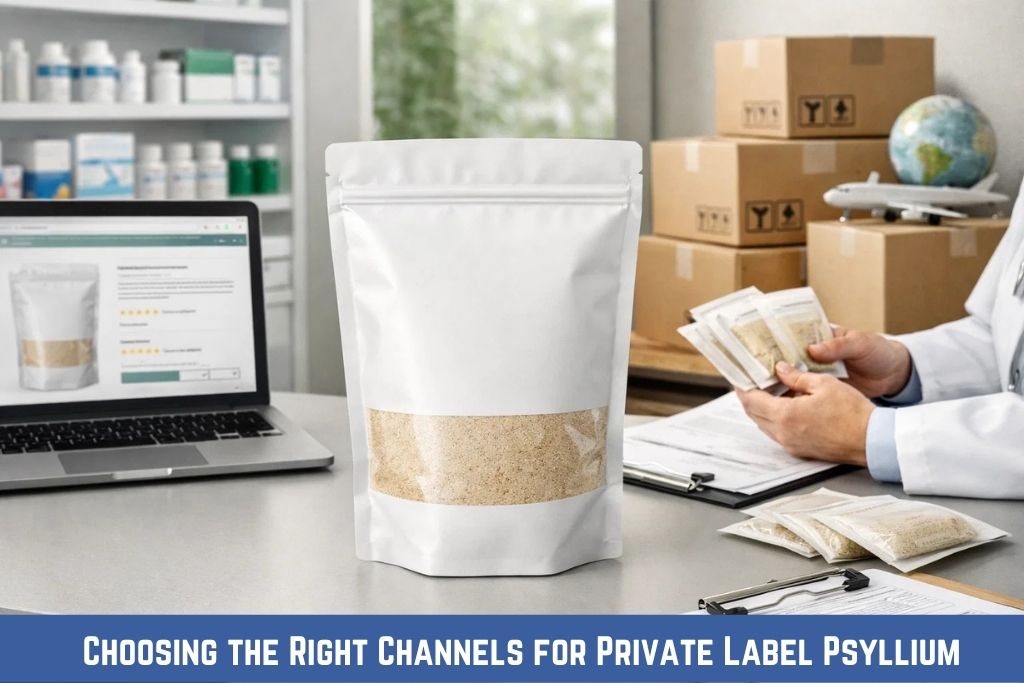
Channel selection must follow audience behavior – not the other way around. Private Label Psyllium Husk Powder sold to health-conscious online shoppers needs a strong e-commerce presence, positive review infrastructure and potentially influencer-led awareness. The same product sold to clinical or institutional buyers may require a dedicated sales team, sampling programs and presence at healthcare trade shows.
Retailers require trade terms, compliance and potentially category development support. Export buyers typically operate through trading companies, brokers or direct importer relationships. Selecting the wrong channel – even for the right product – leads to poor market penetration and high customer acquisition costs.
Step 9: Psyllium Husk in India - Leverage Origin Credibility in Export Strategy
For brands sourcing from or operating within the Indian supply chain, the origin itself is a market advantage. Psyllium Husk Powder in India has decades of commercial credibility and international buyers are well aware of India’s role as the world’s leading psyllium-producing region. This origin story can be used strategically in B2B marketing to international buyers who prioritize traceability and supply chain transparency.
In export markets, pairing this origin credibility with relevant certifications and quality documentation significantly improves buyer confidence. Highlight region-of-origin details in your product specification sheets, export catalogs and trade show presentations.
Export-Ready Psyllium, Spices & Grains Await! Contact Now

Conclusion
Identifying the right market for a private label psyllium product is not a single decision – it is a structured process that combines audience segmentation, demand validation, competitive analysis, channel mapping and supply chain alignment. Whether you are targeting health-conscious consumers through e-commerce, institutional buyers through trade channels or international markets through established Psyllium Husk Exporters, each pathway requires a different strategy. Brands that invest in this market identification process before launch are far better positioned to grow profitably and avoid costly entry mistakes. The psyllium category offers meaningful commercial opportunity across multiple segments and geographies and working with credible Psyllium Powder Manufacturers who understand private label requirements is a key factor in long-term success.
FAQs
What is the most important first step when identifying a market for private label psyllium products?
The most critical first step is defining your product positioning - deciding whether you are selling whole Psyllium Husk, Psyllium Husk Powder or Psyllium Powder in a specific format such as capsules or sachets. This decision shapes your audience, channel and competitive strategy.
Which target audience tends to generate the most repeat purchases for psyllium products?
Digestive wellness users typically demonstrate the strongest repeat purchase behavior. These consumers incorporate psyllium into their daily routine, making them high-value, long-term customers for brands that deliver consistent quality and formulation.
How does sourcing from Psyllium Husk Exporters in India compare to other supply regions?
India produces over 85% of the world's psyllium supply, making Psyllium Husk Exporters in India a well-established and internationally trusted source. Buyers across Europe, North America and Asia routinely source from Indian exporters, often citing supply scale, quality grades and price consistency as key advantages.
What certifications are typically required for export markets when selling Private Label Psyllium Husk?
Requirements vary by destination. European buyers commonly require organic certification, heavy metal testing and EU food safety compliance. US buyers often look for FDA facility registration. GCC and Southeast Asian markets may require halal certification. Always verify specific import requirements for your target geography before market entry.
How should I evaluate Psyllium Powder Manufacturers for a private label project?
Evaluate Psyllium Powder Manufacturers based on their product grades available, minimum order quantities, packaging options, lead times, quality assurance documentation and regulatory compliance capabilities. Request samples and COAs before committing and assess whether they have prior experience with private label programs.
What are the main uses for psyllium husk powder in industries beyond supplements?
The uses for psyllium husk powder extend across gluten-free and functional food manufacturing, pharmaceutical excipient applications, animal feed formulations and clinical nutrition products. Each of these sectors has distinct sourcing specifications and purchasing processes.
How is the e-commerce channel viable for selling Private Label Psyllium Husk Powder?
Yes, e-commerce is one of the strongest channels for Private Label Psyllium Husk Powder, particularly when targeting health-conscious consumers and supplement buyers. Online marketplaces and brand-direct websites allow for detailed product information, customer reviews and targeted digital advertising - all of which support high-consideration supplement purchases.
How do I differentiate my psyllium product in a competitive market?
Differentiation can come through format innovation, certification emphasis (organic, non-GMO, third-party tested), audience targeting (sports nutrition, keto consumers, seniors) or branding focus (clinical credibility vs. everyday wellness). A gap analysis of current market offerings will help you identify the most viable differentiation angle.
What is the best way to enter retail pharmacy chains with a private label psyllium product?
Entering pharmacy retail typically requires completing a vendor qualification process, meeting specific packaging and labeling requirements, complying with category regulations and often committing to promotional support. Building a track record through smaller independent health stores or online channels before approaching large pharmacy chains can improve your chances of acceptance.
How can I validate market demand for my psyllium product before full launch?
Market demand can be validated through keyword and search volume analysis, competitor sales data on online marketplaces, small-batch test runs with targeted digital ads, trade show buyer feedback and direct outreach to potential retail or wholesale buyers. Combining qualitative and quantitative signals provides a more reliable picture before committing to a full market launch.
Section Title

Mihir Shah is the CEO of Giriraj Enterprise, a trusted manufacturer, supplier, and exporter of Psyllium products, whole spices, ground spices, herbal products, guar gum and other agro products including Psyllium Husk, Psyllium Seeds, Psyllium Husk Powder and Kha Kha Powder. Founded in 1973 and based in Unjha, Gujarat, Giriraj Enterprise has grown significantly under Mihir’s leadership, establishing itself as a trusted name in the global market. With a focus on high-quality standards and adherence to international food norms, the company serves a wide customer base across the globe.
A strategic thinker with a passion for sustainable growth, Mihir has played a pivotal role in expanding the company’s production capacity, which now stands at 3,000 quintals per month, and in ensuring that Giriraj Enterprise remains at the forefront of innovation in the industry. His commitment to quality is reflected in the company’s stringent in-house quality testing and third-party verification, ensuring that all products meet the highest standards of excellence. He is dedicated to driving customer satisfaction by offering fast, reliable services both domestically and internationally.
Through his writing, Mihir shares valuable insights and knowledge about Psyllium, spices, herbal and other agro products, educating readers on their benefits and the role they play in promoting health and well-being. His goal is to provide factual, transparent information to help consumers and businesses make informed decisions.