





May 25, 2026
Mihir Shah
Share At:
Google AI ChatGPT Grok Perplexity

AI Summary

India ranks among the world’s largest exporters of whole spices, supplying premium-grade products to over 150 countries. This article covers India’s top 10 exported whole spices – including cumin seeds, coriander seeds, red chillies, turmeric and more – with data on export volumes, trade values and the key global importing markets. It also highlights how trusted names like Giriraj Enterprise serve international buyers through reliable wholesale and supply networks.

Top 10 Whole Spices Exported by India: Key Markets & Trade Insights

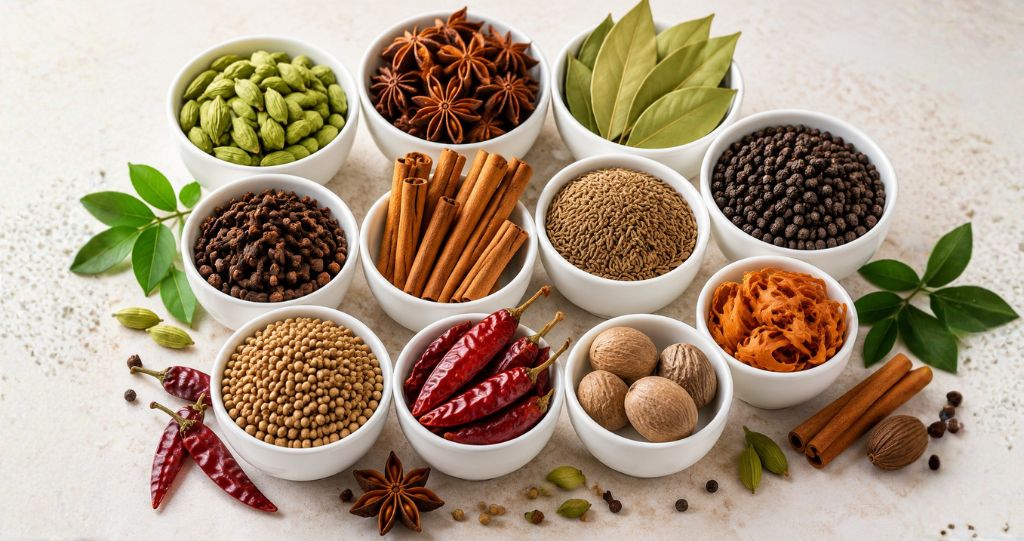
India is the world’s largest producer, consumer and exporter of spices. The Spices Board of India reports that spice exports crossed approximately USD 3.8 billion in recent years, with whole spices forming the dominant share. From Southeast Asia to North America, global food processors, retailers and manufacturers depend on Indian whole spices manufacturers and exporters for consistent quality and competitive pricing. Below is a data-focused breakdown of India’s top 10 exported whole spices.

Get Your Custom Bulk Order Quote! Contact Us

WhatsApp

Cumin Seeds Export: Volume, Value and Top Buyers

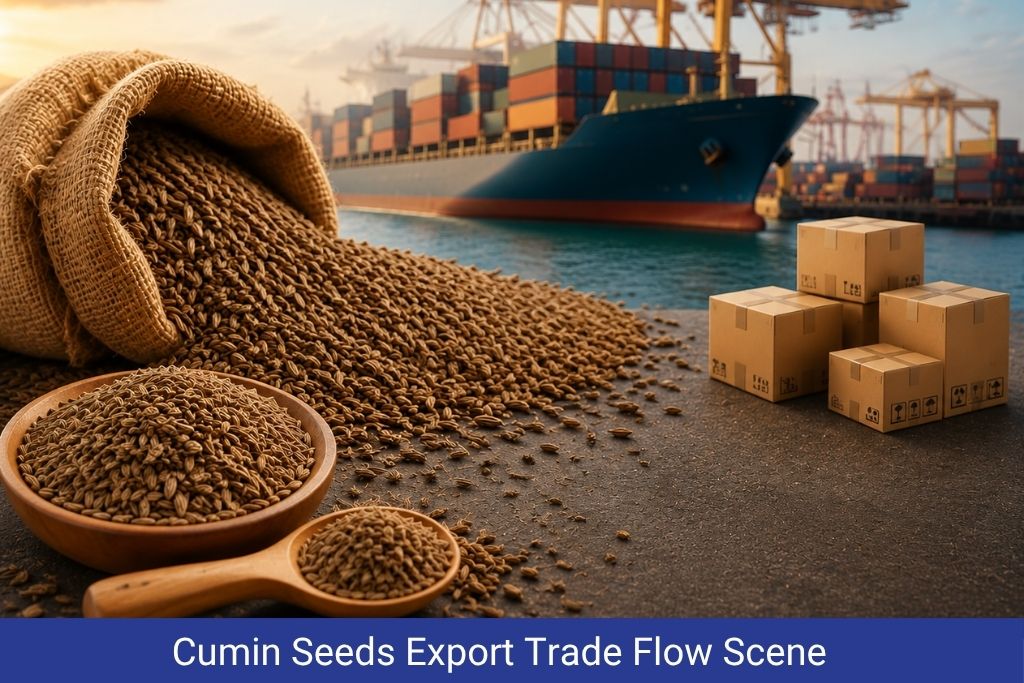
Cumin seeds top India’s whole spice export chart. India exports approximately 2.5–3 lakh metric tonnes annually, with the USA, China, Bangladesh and the UAE being primary buyers. Gujarat and Rajasthan account for over 80% of domestic production. Giriraj Enterprise, based in Gujarat, operates as one of the established whole spices suppliers serving international markets with traceable, export-grade cumin. The global cumin market is projected to surpass USD 1.2 billion by 2027, driven by demand from the food processing and ready-to-eat meal sectors.

Red Chillies Export: Market Reach and Annual Trade Data

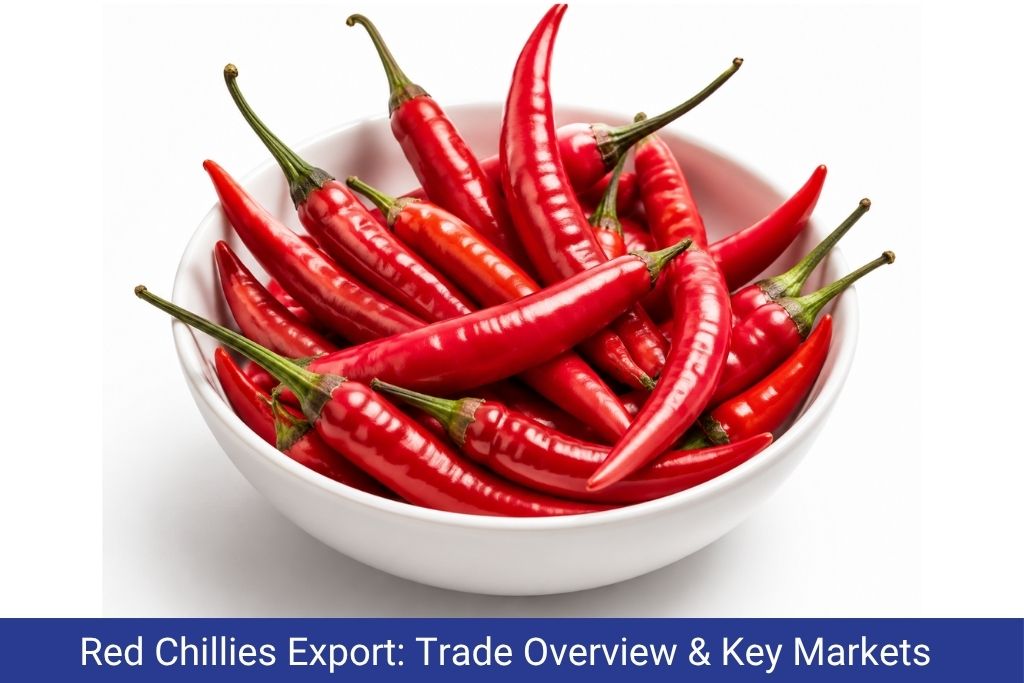
Red chillies rank second among India’s most exported whole spices by volume. Annual exports exceed 4.5 lakh metric tonnes, generating over USD 600 million in foreign exchange. Andhra Pradesh, Telangana and Karnataka are the leading producing states. The USA, Sri Lanka, Malaysia and the UK are consistent importers. Chilli flakes, a value-added derivative, have gained strong traction in the European and North American retail segments, opening additional revenue streams for whole spices exporters.

Coriander Seeds Export: Global Demand and Key Destinations

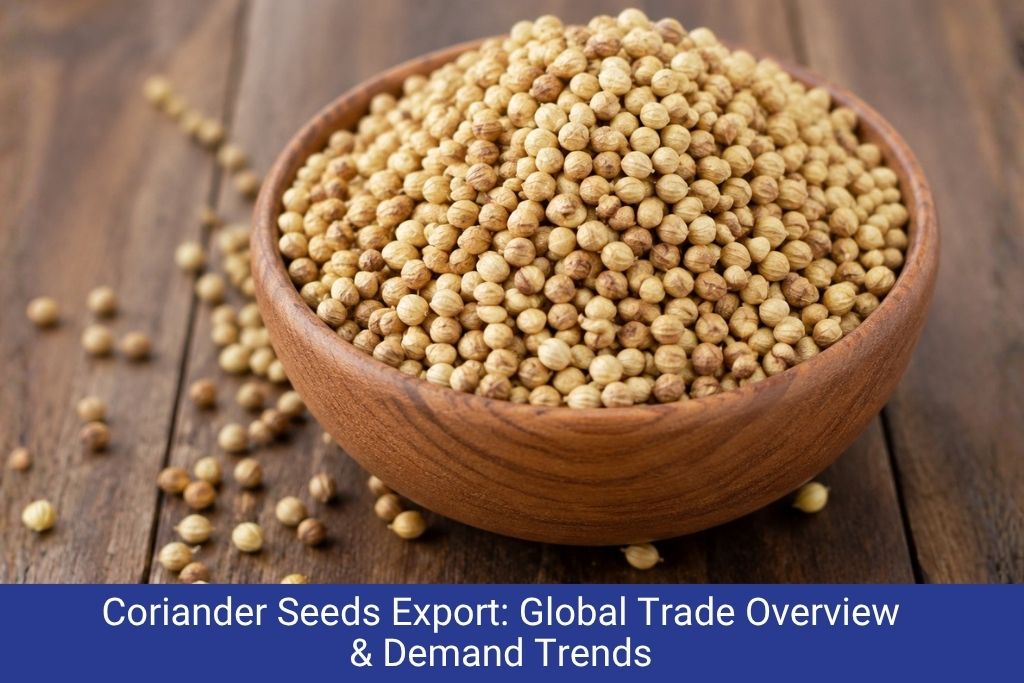
Coriander seeds are among the highest-volume spice exports from India, with annual shipments ranging between 1–1.5 lakh metric tonnes. Brazil, Malaysia, Sri Lanka and South Africa are top importers. Madhya Pradesh and Rajasthan lead domestic production. Coriander seed oil extraction has added industrial demand alongside traditional culinary use, pushing up both the volume and the unit value of exports in recent trade cycles.

Turmeric Export: Value, Volume and Pharmaceutical Demand

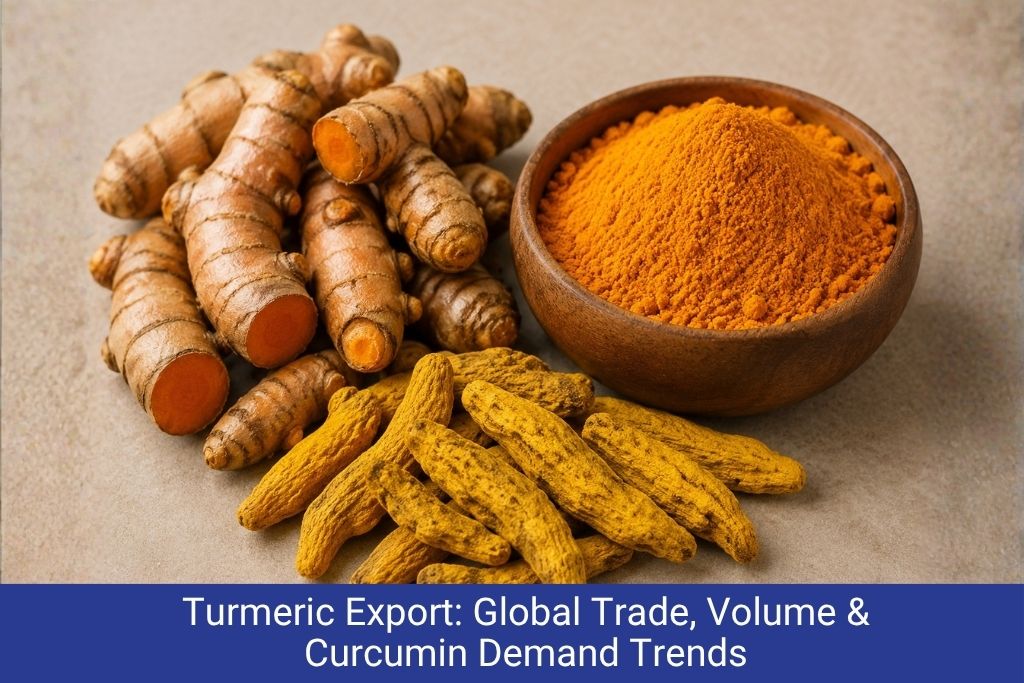
Turmeric exports from India exceed 1.2 lakh metric tonnes per year, valued at over USD 180 million. Bangladesh, the UAE, Japan and the USA are key markets. Beyond culinary use, turmeric’s active compound curcumin has created pharmaceutical and nutraceutical demand, particularly in Japan, South Korea and the EU. Whole spices wholesale buyers increasingly procure turmeric in raw dried root form for further processing, making it one of the most versatile exports in India’s spice portfolio.

Fennel Seeds Export: Growing Preference in Western Markets

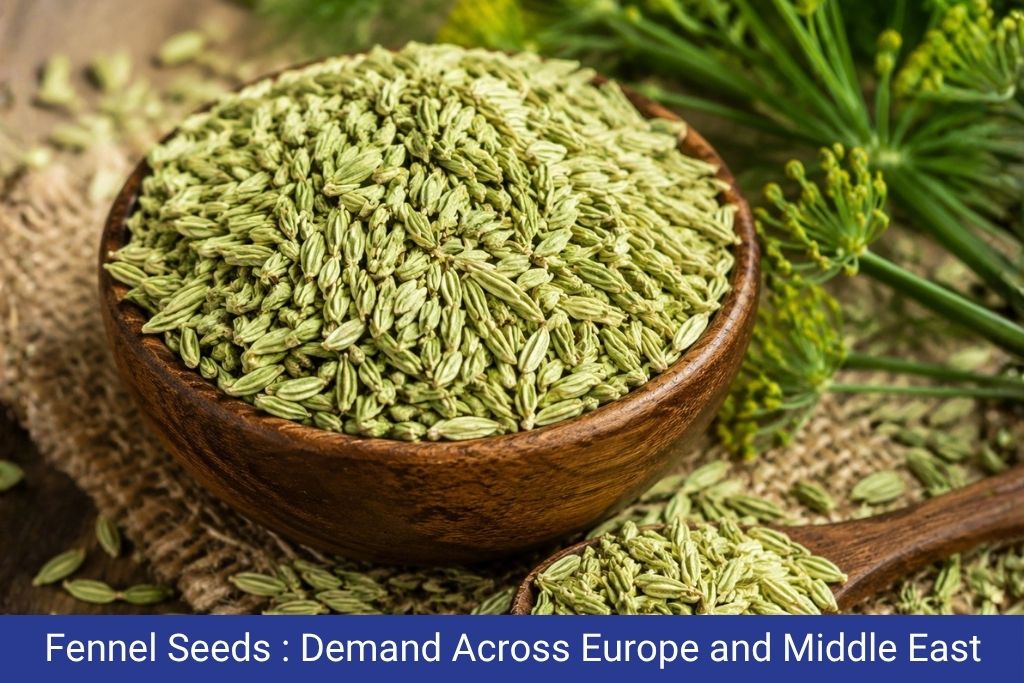
Fennel seeds exports from India stand at approximately 40,000–50,000 metric tonnes annually, with steady growth in Europe and the Middle East. The USA, the UAE, Singapore and Germany are consistent buyers. Fennel’s dual use – as a digestive aid and a culinary spice – has boosted its shelf presence in health food retail chains globally. Giriraj Enterprise supplies fennel seeds to wholesale importers requiring sortex-cleaned, moisture-controlled batches compliant with EU pesticide residue standards.

Fenugreek Seeds Export: Industrial and Culinary Applications

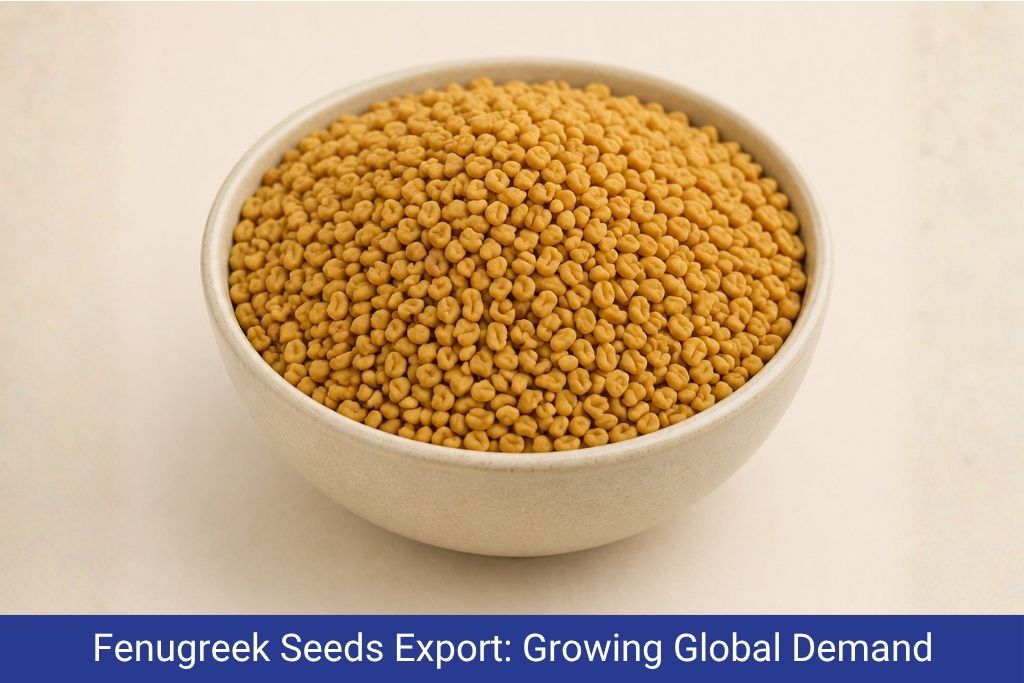
Fenugreek seeds are exported at volumes of around 35,000–45,000 metric tonnes per year. The USA, Canada, Saudi Arabia and Japan are among the top importers. Fenugreek’s applications span food, pharmaceutical and cosmetic industries, making it one of the more diversified whole spices in India’s export basket. Rajasthan is the leading producer, contributing over 70% of national output. Demand for fenugreek extract in nutraceuticals is driving premium pricing in Western markets.

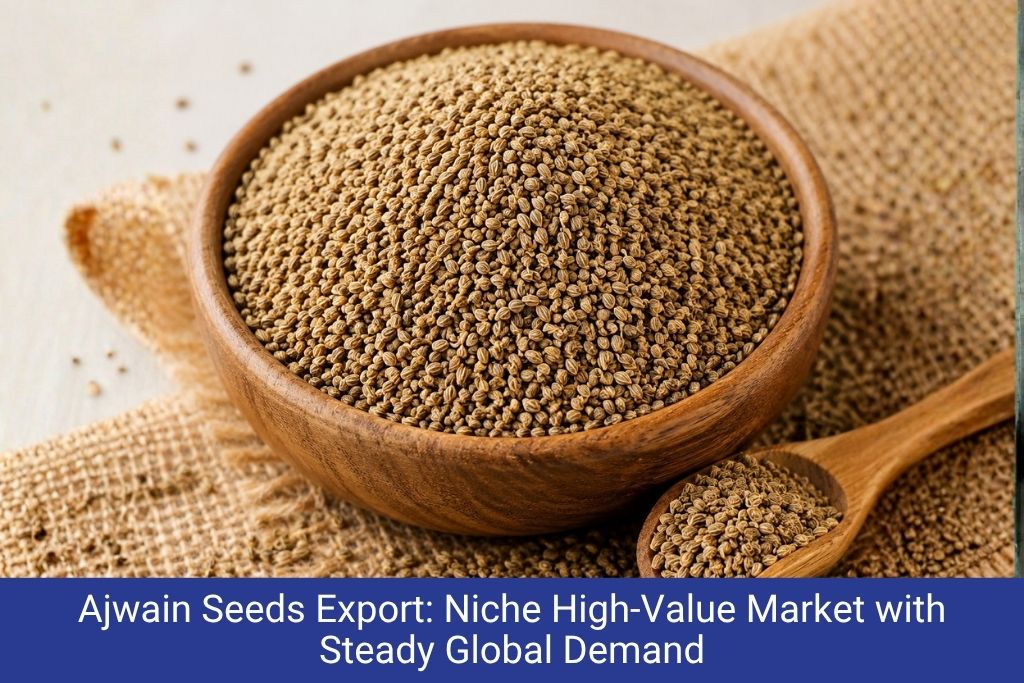
Ajwain Seeds Export: Niche Market with Consistent Buyers

Ajwain seeds, also called carom seeds, are exported in smaller volumes – roughly 10,000–15,000 metric tonnes annually – but command higher per-kg prices due to their medicinal value. Key importers include the USA, UK, Canada and Gulf nations. Rajasthan and Gujarat are the primary production hubs. Giriraj Enterprise, as a reliable Whole spices suppliers serve bulk buyers who require ajwain seeds with specific volatile oil content (thymol-rich grades), which is critical for pharmaceutical and herbal product formulations.

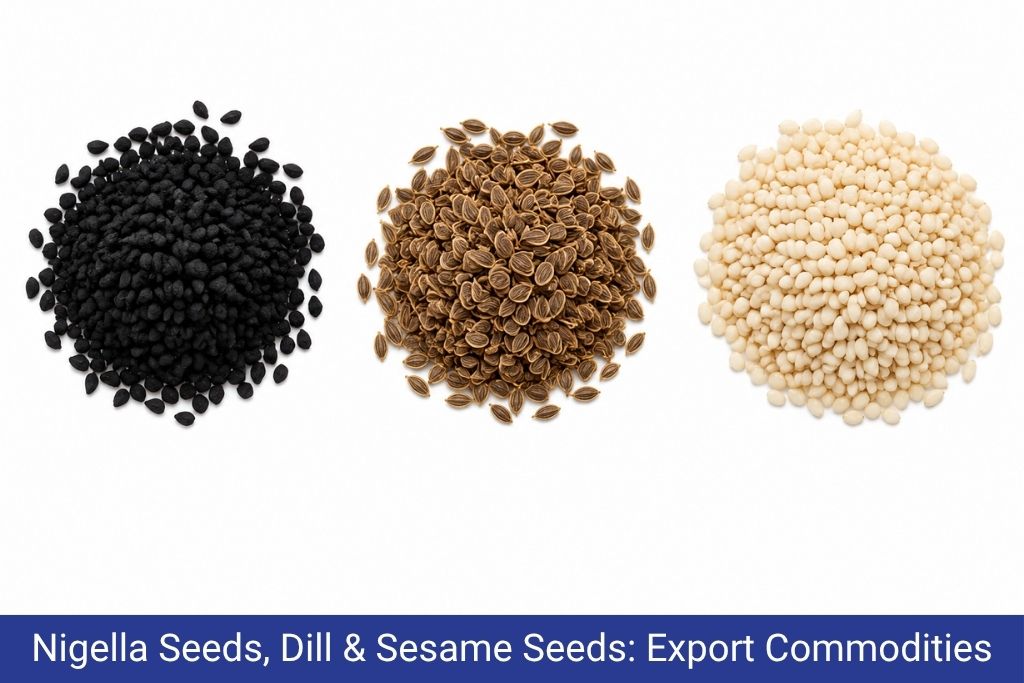
Nigella Seeds, Dill Seed and Sesame Seeds: Emerging Export Commodities

Nigella seeds (kalonji), dill seed and sesame seeds collectively contribute significantly to India’s whole spice export earnings.

  • Nigella seeds exports range between 8,000–12,000 metric tonnes yearly, primarily to the Middle East, UK and USA, where they are used in baked goods and traditional medicine.
  • Dill seed exports approximate 20,000–25,000 metric tonnes per year. The EU, USA and Japan are top buyers. Dill seed essential oil processing has added value to raw exports.
  • Sesame seeds are one of India’s highest-value oilseed-spice exports, with annual volumes exceeding 5–6 lakh metric tonnes. China, Japan, South Korea and the USA are dominant importers. Gujarat and Rajasthan lead production and Giriraj Enterprise maintains hulled and natural sesame seed grades for bulk wholesale buyers globally.

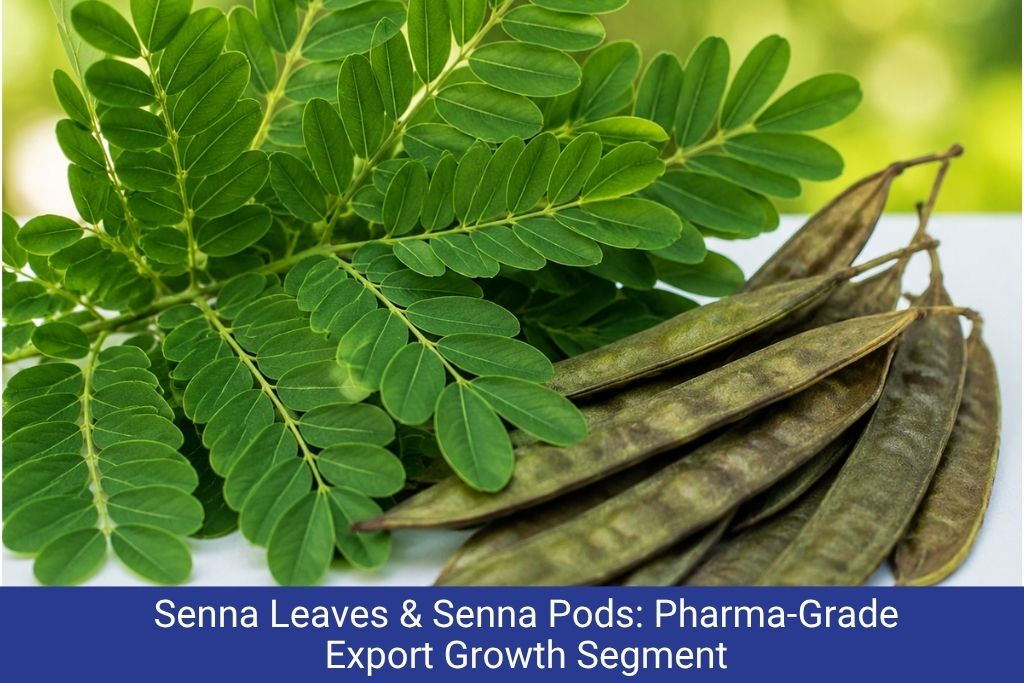
Senna Leaves and Senna Pods: Pharma-Grade Export Segments

Senna leaves and senna pods are primarily exported for pharmaceutical use. India contributes over 70% of the global supply, with Tamil Nadu being the dominant production state. Annual exports of senna products range between 15,000–20,000 metric tonnes, valued at approximately USD 40–50 million. Germany, the UK, the USA and Japan are primary buyers for use in laxative formulations, herbal medicine and dietary supplement manufacturing. These products fall under regulatory oversight, requiring exporters to meet pharmacopoeial-grade standards.

Bay Leaf, Cinnamon and Stevia Leaves: Specialty Spice Exports

Bay leaf, cinnamon and stevia leaves form a specialty category gaining consistent export momentum.

  • Bay leaf exports from India are around 5,000–8,000 metric tonnes per year, with the USA, UK and Gulf nations as key buyers.
  • Cinnamon (primarily Cassia type) exports from India reach 15,000–20,000 metric tonnes annually. The USA, UAE and EU are consistent importers. Indian cinnamon competes with Sri Lankan varieties in the mid-market segment.
  • Stevia leaves exports are growing rapidly due to global demand for natural, zero-calorie sweeteners. The USA, Japan, Germany and China are leading buyers. India’s stevia cultivation, particularly in Maharashtra and Himachal Pradesh, is scaling up to meet international food and beverage industry requirements.

Connect with Us for Export Deals! Contact Us

WhatsApp

Conclusion

India’s whole spice export sector is a high-value, globally integrated trade segment covering over 50 spice varieties across 150+ countries. From high-volume commodities like cumin seeds and sesame seeds to pharma-grade products like senna leaves and senna pods, the country’s supply chain is deep and well-organised. Giriraj Enterprise continues to serve as a dependable sourcing partner for international buyers seeking quality-assured, competitively priced whole spices through transparent wholesale supply channels. As global demand for authentic Indian spices grows, the sector is positioned for sustained export growth well into the next decade.

FAQs

Which country is the largest importer of Indian whole spices?

The USA, UAE and China consistently rank as the top importers of Indian whole spices, purchasing across cumin, chillies, turmeric, sesame and other categories.

Most exporters, including established wholesale suppliers, maintain FSSAI, APEDA, ISO and HACCP certifications to meet international food safety and quality compliance standards.

Prices are determined by crop season, quality grade, moisture content and global demand and are typically quoted in USD per metric tonne on FOB or CIF terms.

The Spices Board of India monitors quality, issues export certificates and promotes Indian spices globally through trade fairs and buyer-seller meets.

Yes, multi-product consignments are standard practice; Giriraj Enterprise, as a reliable whole spices suppliers consolidate various whole spices into single export shipments for buyer convenience.