





Plantago Ovata: Origin, Cultivation and Commercial Importance

April 3, 2026
Mihir Shah
Share At:
Google AI ChatGPT Grok Perplexity

AI Summary:

Plantago Ovata, commonly known for its beneficial seeds and husk, holds significant commercial value due to its health-related properties. Originating from India, the plant is primarily cultivated for its high fiber content, particularly in the form of powder. This article explores the origin, cultivation and commercial importance of Plantago Ovata, highlighting its global trade, key suppliers and the increasing demand for psyllium-based products in various industries.

Plantago Ovata: Exploring its Origin, Cultivation Methods and Commercial Value

Plantago Ovata, a plant known for its high-fiber seeds, is native to the Mediterranean region but is primarily cultivated in India today. Over the centuries, this plant has gained widespread recognition for its health benefits, especially for its role in supporting digestive health. Its seeds, husk and powder derivatives have a range of uses in industries from healthcare to food processing. This article will explore the origin, cultivation practices and the increasing commercial importance of Plantago Ovata globally.

The Origin and History of Plantago Ovata

The origin countryis India, where it has been cultivated for centuries due to its medicinal properties. India remains the largest producer of psyllium husk powder, making it a key player in the global trade of these products. The plant has also been used in Ayurvedic medicine for its ability to treat various digestive issues, making it an essential part of India’s agricultural and medicinal heritage.

Historically, psyllium seeds were utilized in traditional remedies to aid in digestion and provide relief from constipation. The use of these seeds expanded as the plant’s benefits became more widely known. Over time, the cultivation spread to other parts of the world, although India still dominates production. The ability to supply psyllium husk in bulk to the international market has positioned it as a central player in the psyllium industry.

Plantago Ovata: Cultivation Practices

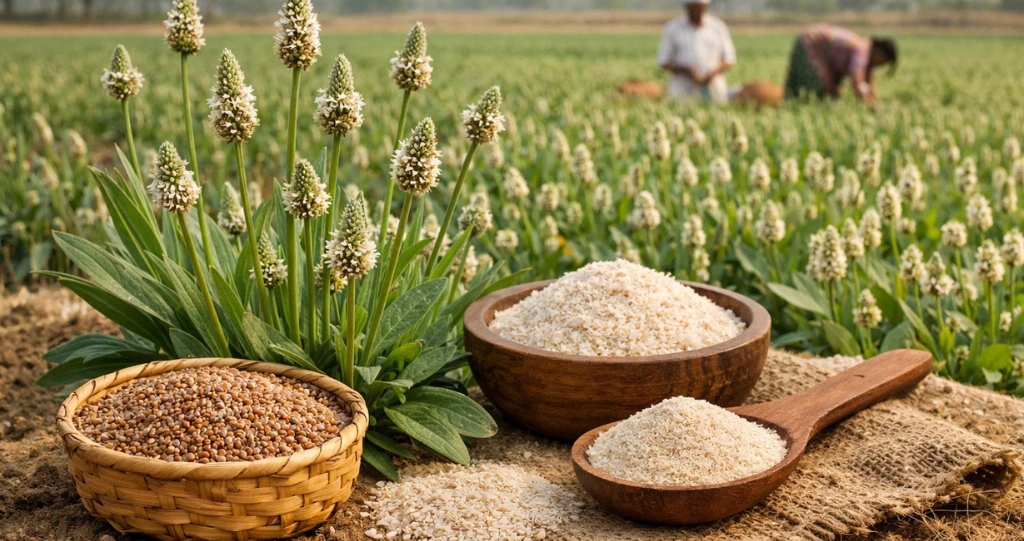
Plantago Ovata requires specific climatic conditions to thrive, which is why it is predominantly grown in India, particularly in states like Gujarat and Rajasthan. The plant prefers dry, sandy soils and a semi-arid climate, which makes these regions perfect for its cultivation. The cultivation process involves sowing the seeds in early summer and harvesting them in the fall.

The psyllium husk is the outer shell of the seed and is separated from the seed after harvesting. The husk is dried, milled and then processed into psyllium husk powder for further commercial use. Cultivation requires careful attention to irrigation and pest control, especially in regions where water is scarce. Farmers typically employ modern agricultural techniques to maximize yields and ensure high-quality production.

Psyllium husk in India is produced in large quantities, the demand for both local consumption and export has led to innovations in farming techniques, increasing efficiency and output. These advances have contributed to India’s status as the world’s leading supplier of psyllium products.

Connect with Us for Export Deals! Contact Us

WhatsApp

Psyllium Husk Products: The Commercial Importance

The global market for psyllium-based products is vast and its importance continues to grow as consumers seek natural solutions for digestive health. The demand for psyllium seeds has surged in recent years, primarily driven by the plant’s high fiber content, which promotes digestive health and helps relieve constipation. The plant’s ability to absorb water and expand in the stomach also makes it a popular ingredient in weight-loss supplements, as it promotes a feeling of fullness.

Giriraj Psyllium, as the leading exporter of psyllium, plays a central role in meeting the demand. Psyllium powder exporters from India supply countries across North America, Europe andSouth East Asia with large quantities of psylliumhuskproducts, which are then used in the manufacturing of dietary supplements, pharmaceuticals and food products. This growing demand has solidified the commercial significance of Plantago Ovata, positioning it as a key agricultural commodity.

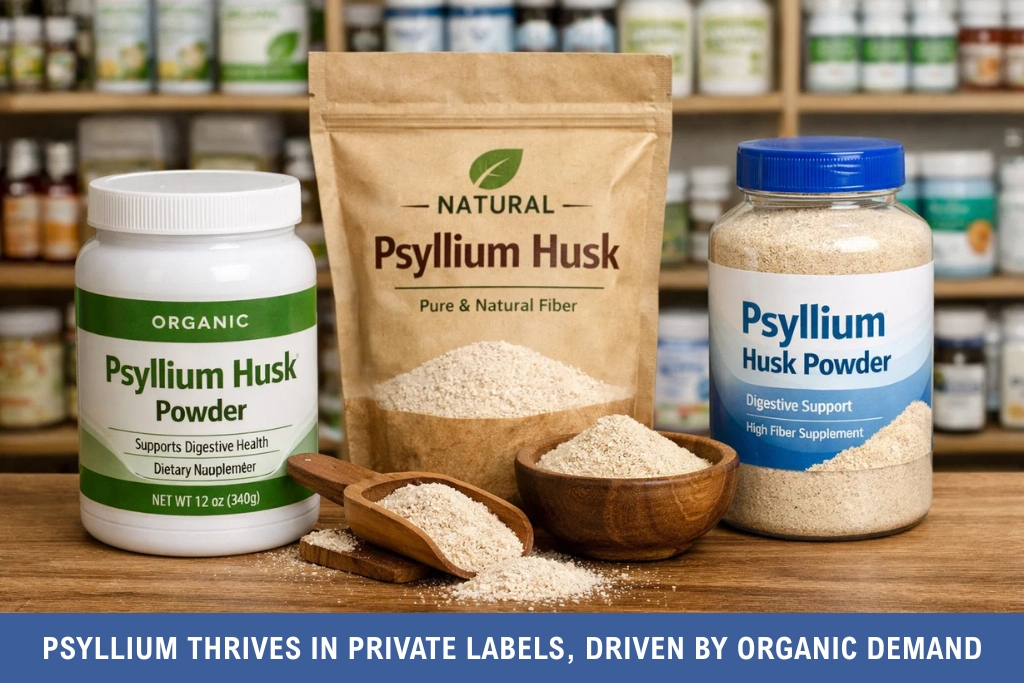
One of the most prominent applications of psyllium is in the production of private label psyllium husk products. Many companies purchase raw psyllium husk from suppliers and process it under their own brand names for sale in retail stores or online platforms. The increasing popularity of organic and natural products has led to a rise in the availability of psyllium husk powder in health food stores and pharmacies.

Uses for Psyllium Powder

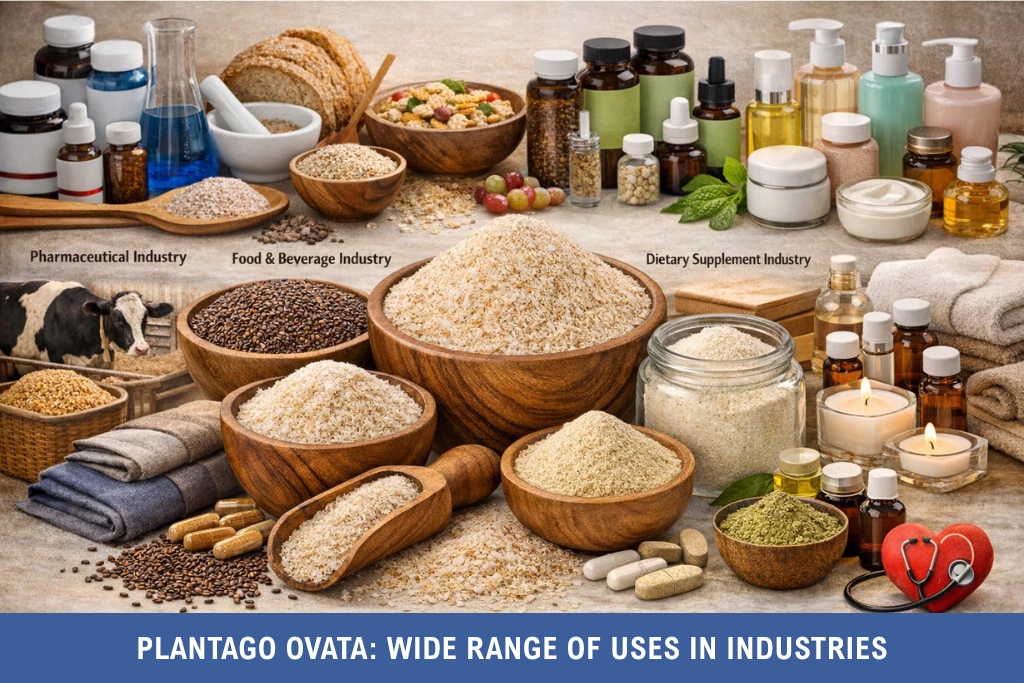
The primary use for psyllium powder is as a dietary supplement, where it is known for its ability to regulate bowel movements and promote overall digestive health. Psyllium husk powder is commonly used in products aimed at treating constipation or improving gut health. It is also a popular ingredient in fiber supplements and is often included in detoxification products due to its gentle cleansing properties.

In addition to its use in digestive health products, psyllium powder has a growing presence in the food industry. It is used as a natural thickening agent and emulsifier in gluten-free and low-carb products. Its ability to absorb water and form gels makes it an ideal substitute for gluten in baking, particularly in gluten-free bread, cakes and cookies.

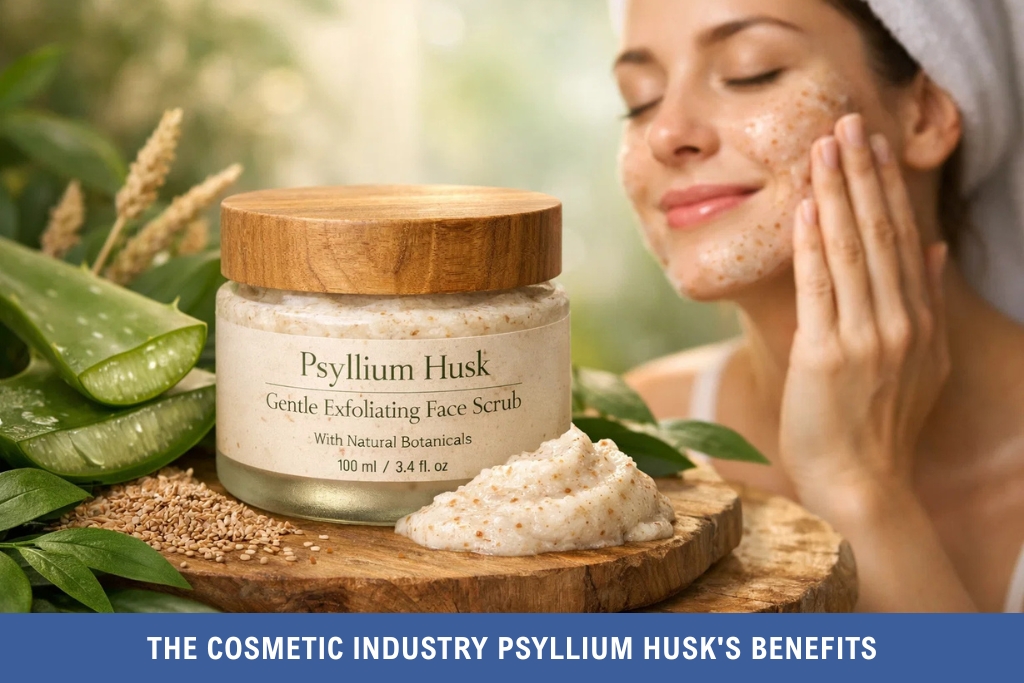
The cosmetic industry has also recognized the benefits of psyllium. The exfoliating properties of the psyllium husk make it a valuable component in skincare products, such as face scrubs and exfoliating creams. These products help remove dead skin cells gently and are preferred by consumers looking for natural skincare solutions.

Psyllium Husk Manufacturers & Suppliers

The global demand for psyllium products has led to the emergence of numerous psyllium husk manufacturers and suppliers, particularly in India, which remains the leading producer and exporter. These manufacturers are responsible for processing psyllium husk into the final product, whether it be raw husk, powder or capsules.

Psyllium husk suppliers play a critical role in ensuring the steady supply of these products to the global market. The industry is highly regulated and psylliumhusk manufacturers hold certifications that ensure the purity and quality of their products meet international standards.

For companies looking to enter the market, partnering with psyllium husk suppliers in India or other growing regions is an effective strategy for securing high-quality raw materials. Additionally, the rise of private label psyllium husk production has created an opportunity for businesses to market these products under their own brand name, catering to the growing consumer demand for natural health supplements.

Export-Ready Psyllium, Spices & Grains Await! Contact Now

Conclusion

The commercial importance of Plantago Ovata continues to grow, driven by its numerous health benefits and wide-ranging applications in various industries. As the leading producer of psyllium husk and psyllium powder, India plays a critical role in the global supply chain, meeting the increasing demand for these products. With the continued rise in consumer interest in digestive health and natural products, the future looks promising for Plantago Ovata and its derivatives.

FAQs

Plantago Ovata: Origin, Cultivation and Commercial Importance

Why is Plantago Ovata important for digestive health?

Plantago Ovata is known for its high fiber content, which helps improve digestion and relieve constipation.

How is psyllium husk processed into psyllium powder?

The husk is separated from the seed, dried and finely milled to create psyllium powder used in various products.

When is the best time to harvest Plantago Ovata?

Plantago Ovata is harvested in the fall, following planting in early summer.

Where is primarily Plantago Ovata cultivated?

Plantago Ovata is primarily grown in India, particularly in states like Gujarat and Rajasthan.

Who are the major players in the psyllium market?

India remains the dominant player, with numerous manufacturers, suppliers and exporters involved in the global psyllium market.

<< 1 >>