





Psyllium Husk Manufacturers: How India Became the Global Leader?

March 13, 2026
Mihir Shah
Share At:
Google AI ChatGPT Grok Perplexity
Psyllium Husk Manufacturers: How India Became the Global Leader?

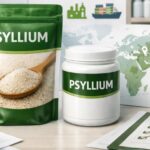
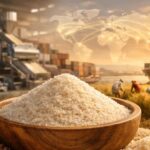
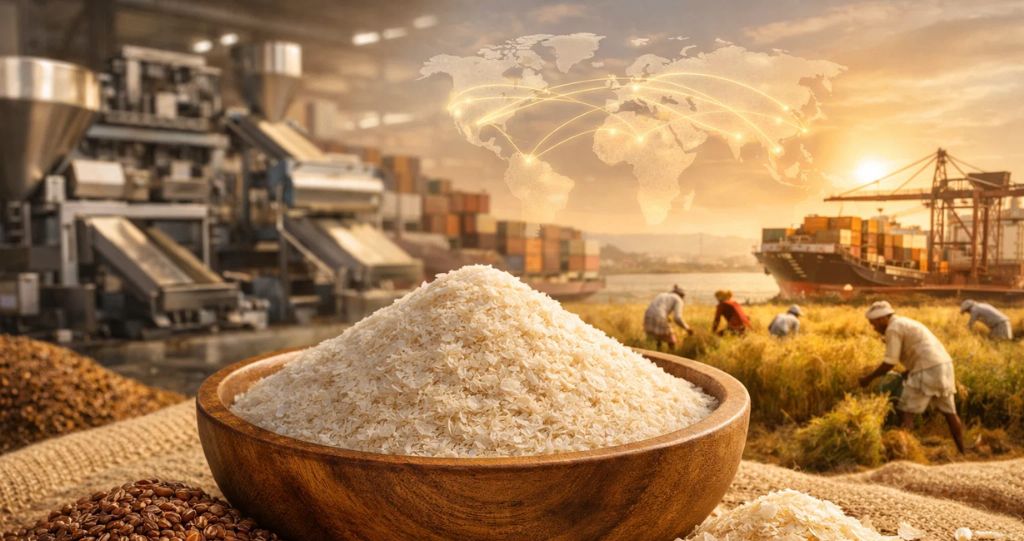
In the global health and wellness landscape of 2026, psyllium husk-locally known as Isabgol-has transitioned from a traditional digestive remedy to a multi-billion dollar industrial staple. Today, India stands as the undisputed titan of this industry, accounting for approximately 80% to 90% of the world’s psyllium supply.

For psyllium husk manufacturers, India is not just a production hub; it is the backbone of the global supply chain, serving the pharmaceutical, nutraceutical, and food sectors across the USA, Europe, and Asia. From the arid plains of Gujarat to the specialized processing clusters in Rajasthan, the story of India’s dominance is one of agro-climatic fortune combined with aggressive industrial modernization.

Get Your Custom Bulk Order Quote! Contact Us

WhatsApp

The Anatomy of Dominance: Why India Leads the World

India’s journey to becoming the global leader in psyllium manufacturing is a masterclass in leveraging environmental advantages and industrial innovation to capture an entire global market.

1. The Ideal "Agro-Climatic" Goldmine

The Plantago ovata plant (the source of psyllium) is highly sensitive to moisture, particularly during its critical harvesting stage. The dry and semi-arid regions of Gujarat and Rajasthan provide the perfect environment: well-drained sandy-loam soil, low humidity, and a dry winter harvest window. This specific climate ensures high seed purity and an impressive swelling factor of 40 ml/g or higher, which is the primary quality metric for global pharmaceutical buyers.

2. Unjha: The "Isabgol Capital" of the World

Located in Gujarat, Unjha serves as Asia’s largest market yard for commercial cash crops. Most leading psyllium husk exporters are clustered around this hub, creating a highly efficient ecosystem of specialized labor, high-capacity cleaning facilities, and established export routes. In fact, districts like Surendranagar and Ahmedabad have seen recent growth rates of 20-30%, reinforcing Unjha’s historic reputation.

The Industrial Evolution: From Manual to "Zero-Touch" Processing

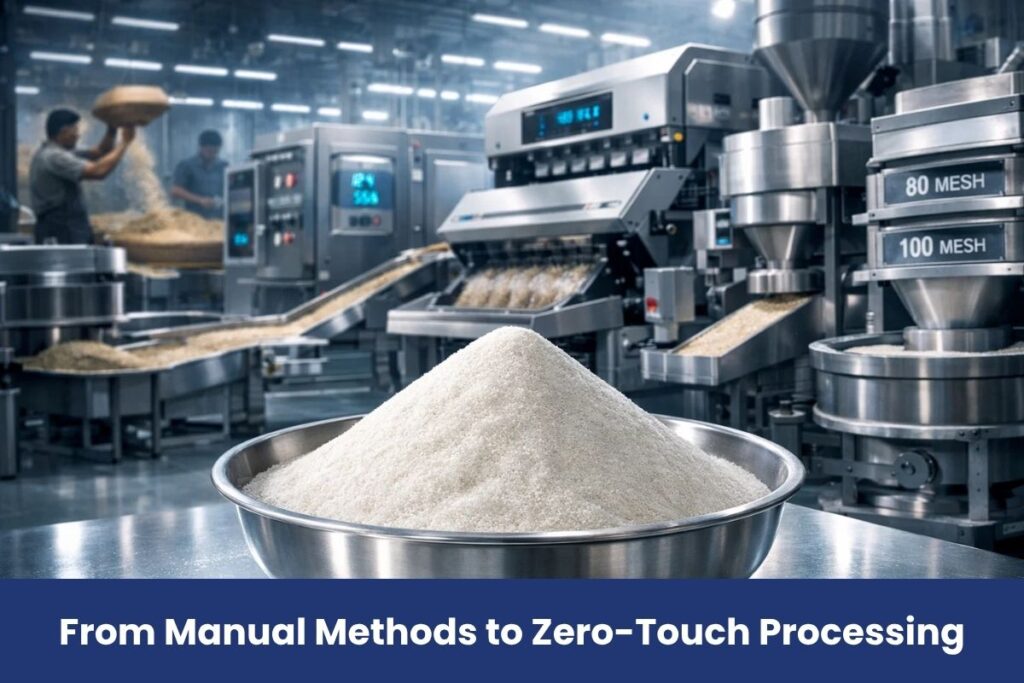
To maintain its global lead in 2026, the Indian psyllium industry has moved far beyond traditional manual methods. Leading psyllium products manufacturers in India have adopted “Zero-Touch” processing to meet the “clean-label” demands of Western markets.

  • Advanced Cleaning & Sorting: Modern facilities utilize gravity separators and Sortex machines to remove stones, dust, and foreign organic matter with laser precision. This allows manufacturers to consistently offer 99% purity, which is nearly impossible to achieve through manual winnowing.
  • Sterilization Standards: To comply with USFDA and EU standards, manufacturers now use advanced ETO (Ethylene Oxide) or Steam Sterilization units. These processes ensure that the psyllium is free from microbial contaminants like Salmonella while preserving its delicate fiber structure.
  • Automation and Mesh Control: For the pharmaceutical industry, particle size is critical. Automated milling plants now produce ultra-fine Psyllium Husk Powder (up to 100 mesh) that disperses smoothly in liquids without grittiness, a key requirement for modern fiber supplements and functional beverages.
From Manual Methods to Zero-Touch Processing
Whole Spices

Economic Impact: A Multi-Million Dollar Export Engine

The financial footprint of India’s psyllium industry is a vital component of the country’s agricultural GDP. In FY 2023 alone, India exported over 50,250 tonnes of psyllium husk, generating more than US$330 million in revenue.

Market MetricCurrent Standing (2025-26)
Global Supply Share~80% – 90%
Projected Global Market Value (2032)~USD 747.62 Million
Top Export DestinationsUSA, UK, Germany, China, Italy
Key Growing RegionsGujarat, Rajasthan, Madhya Pradesh

Strategic Applications: Why Global Industries Depend on India

The versatility of Indian psyllium has allowed manufacturers to expand into diverse industrial sectors beyond traditional laxatives.

1. The Pharmaceutical & Nutraceutical Sector (45% Market Share)

This remains the dominant application. Psyllium husk powder is the gold standard for bulk-forming laxatives and cholesterol-management supplements. Emerging clinical evidence in 2026 also highlights its role in managing GLP-1 medication side effects, driving new demand from weight-loss clinics globally.

2. The Gluten-Free Food Boom

In the food industry, psyllium acts as a natural binder and texture enhancer. As the global gluten-free market surpasses $8 billion, manufacturers like Dr. Schär are increasingly using Indian psyllium to improve the “crumb” and moisture retention of gluten-free breads and pastries.

3. Industrial and Animal Nutrition

Low-grade psyllium (Khakha powder) is widely used in animal feed to improve gut health in horses and cattle. Additionally, psyllium is utilized as a natural thickener in the textile industry and a binder in tablet manufacturing, proving its value as a multi-functional hydrocolloid.

Overcoming Challenges: Sustainability and Climate Risks

Despite its dominance, the industry faces 2026’s greatest challenge: Climate Volatility. Because the psyllium crop can be ruined by a single unseasonal rain during harvest, manufacturers are investing in:

  • Organic Farming: There is a 10% annual growth in demand for Organic Psyllium, prompting manufacturers to work directly with farmers to eliminate synthetic pesticides.
  • Traceability: Global buyers now demand “Farm-to-Fork” transparency. Leading exporters provide digital logs and batch tracking to ensure that every bag of psyllium meets strict international safety audits.

Get Bulk Psyllium, Spices & Grains QUOTES TODAY!

WhatsApp

Frequently Asked Questions (FAQs) on Psyllium Husk

Which Indian state is the largest producer of psyllium husk?

Gujarat is the leading producer, followed closely by Rajasthan. The town of Unjha in Gujarat remains the central hub for global trade and processing.

What is the difference between 95%, 98%, and 99% purity psyllium?

Purity percentages refer to the amount of actual psyllium husk versus “foreign matter” (seed fragments, dust, or sand). 99% Purity is the “Pharma-Grade” standard used in premium dietary supplements and clinical nutrition.

Why is Indian psyllium preferred over other origins?

India’s unique combination of the Plantago ovata species and its dry winter climate results in a higher swelling index (often 40ml or more), which means the fiber is more effective at absorbing water and forming the necessary gel in the digestive tract.

How long does bulk psyllium husk stay fresh?

When stored in a cool, dry warehouse in double-lined HDPE bags or moisture-proof paper bags, psyllium husk has a standard shelf life of 24 months.

Is psyllium husk used in products other than medicine?

Yes. It is a key ingredient in gluten-free baking (to provide elasticity), animal feed (for digestion), and even as a stabilizer in ice creams and dairy products to prevent ice crystal formation.

<< 1 >>


Ground Spices

The Future: India's Role in a Fiber-Focused World

As we look toward 2030, India’s role as the global psyllium leader appears secure. By combining centuries-old agricultural expertise with state-of-the-art GMP and USFDA-certified manufacturing facilities, Indian producers are ensuring that the world’s growing hunger for natural, plant-based fiber is met with consistency and quality.

Whether it is for a luxury skincare brand in Paris or a pharmaceutical giant in New York, the journey of health begins in the arid fields of India.

Lorem ipsum dolor sit amet, consectetur adipiscing elit. Ut elit tellus, luctus nec ullamcorper mattis, pulvinar dapibus leo.