





July 1, 2026
Mihir Shah
Share At:
Google AI ChatGPT Grok Perplexity
Chia Seeds vs Flax Seeds: Weight Loss & Nutrition Guide
AI SUMMARY
  • Both chia seeds and flax seeds are rich in omega-3 ALA and dietary fibre – but their profiles, bioavailability, and practical uses differ significantly.
  • Chia seeds have slightly more fibre (34g/100g) vs flax seeds (27g/100g) and do not require grinding to access nutrients.
  • Flax seeds have higher total omega-3 ALA content (~23g/100g) but require grinding for full nutrient absorption.
  • For weight loss, chia seeds win on satiety (hydrogel formation) and convenience; flax is stronger for lignan-based hormonal support.
  • Giriraj Enterprise supplies both chia seeds and flax seeds in bulk for B2B buyers, food manufacturers, and private label brands.

Introduction

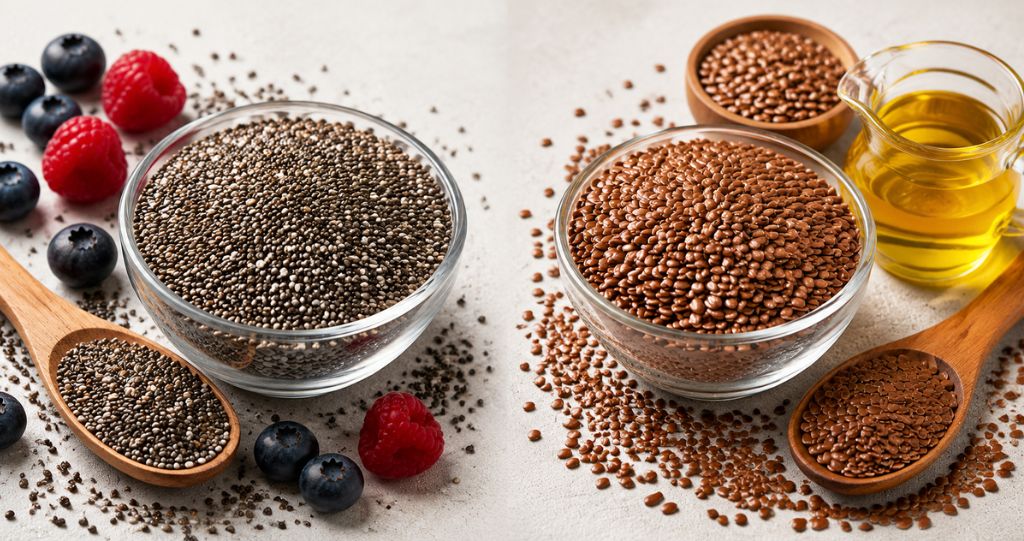
Chia seeds and flax seeds are two of the most extensively researched functional food seeds in the world. Both are prized for their omega-3 fatty acid content, dietary fibre, and diverse health benefits – yet they differ significantly in their nutritional composition, how the body processes them, and their practical applications in food, nutraceutical, and wellness products.

For consumers, nutritionists, and food manufacturers alike, the chia vs flax debate is a genuine and consequential one. This article provides an in-depth, evidence-based comparison of both seeds – covering omega-3 content, fibre type, weight loss mechanisms, bioavailability, culinary applications, and commercial considerations for B2B buyers sourcing from India.

Nutritional Profile: Head-to-Head Comparison

Nutrient (per 100g) Chia Seeds Flax Seeds Winner
Total Omega-3 (ALA) 17-18 g 22-23 g Flax Seeds
Total Dietary Fibre 34 g 27 g Chia Seeds
Soluble Fibre ~7-8 g ~6 g Chia Seeds
Insoluble Fibre ~26 g ~21 g Chia Seeds
Protein 16-17 g 18-20 g Flax Seeds
Calcium 631 mg 255 mg Chia Seeds
Magnesium 335 mg 392 mg Flax Seeds
Antioxidants (ORAC) Moderate High (lignans) Flax Seeds
Grinding Required? No Yes (for max bioavailability) Chia Seeds
Shelf Life (whole) 2-4 years 1 year (whole); 6 mo (ground) Chia Seeds
Water Absorption 10-12× weight 3-5× weight Chia Seeds

The critical distinction is that chia seeds deliver their full nutritional payload whole – no grinding is needed. Flax seeds have a hard seed coat that resists digestion; whole flax seeds pass largely undigested. Ground flaxseed (flax meal) is needed to access the omega-3, lignans, and fibre effectively, which also reduces shelf life dramatically.

Connect with Us for Export Deals! Contact Us

Message us on WhatsApp

WhatsApp

Contact us

Omega-3 Content: Which Is Better?

Flax Seeds - Higher Raw ALA

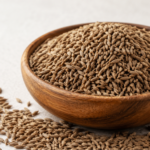
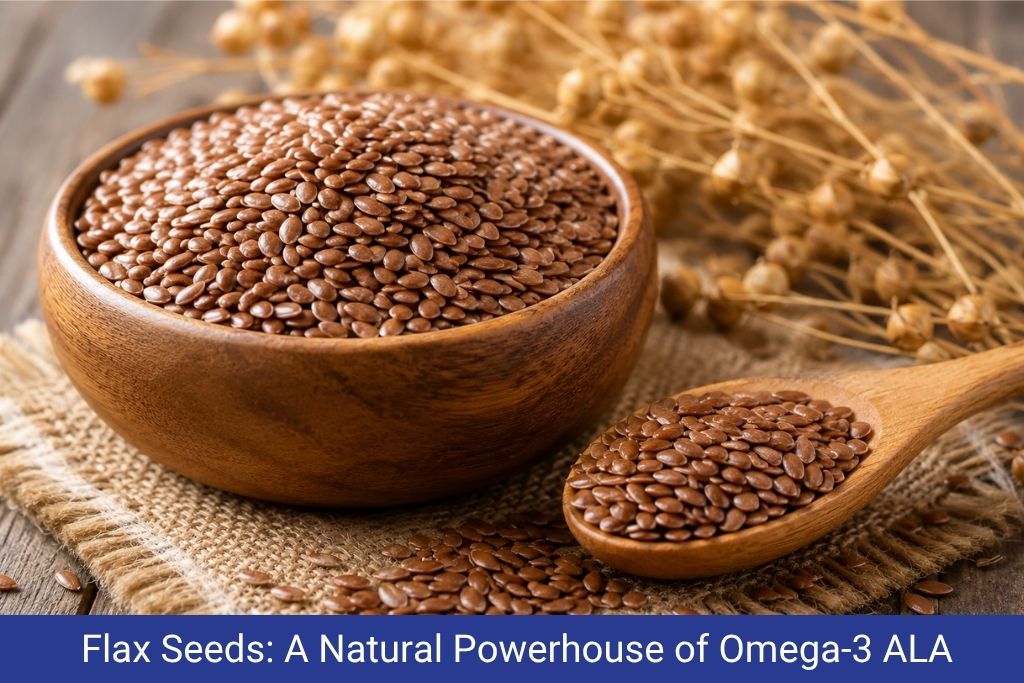
Flax seeds contain approximately 22-23g of omega-3 ALA (alpha-linolenic acid) per 100g – making them one of the richest plant-based sources of omega-3 on earth. One tablespoon of ground flaxseed (~10g) delivers roughly 2.3g of ALA – more than the daily adequate intake recommended by most health authorities (1.1-1.6g/day).

Flax Seeds: A Natural Powerhouse of Omega-3 ALA
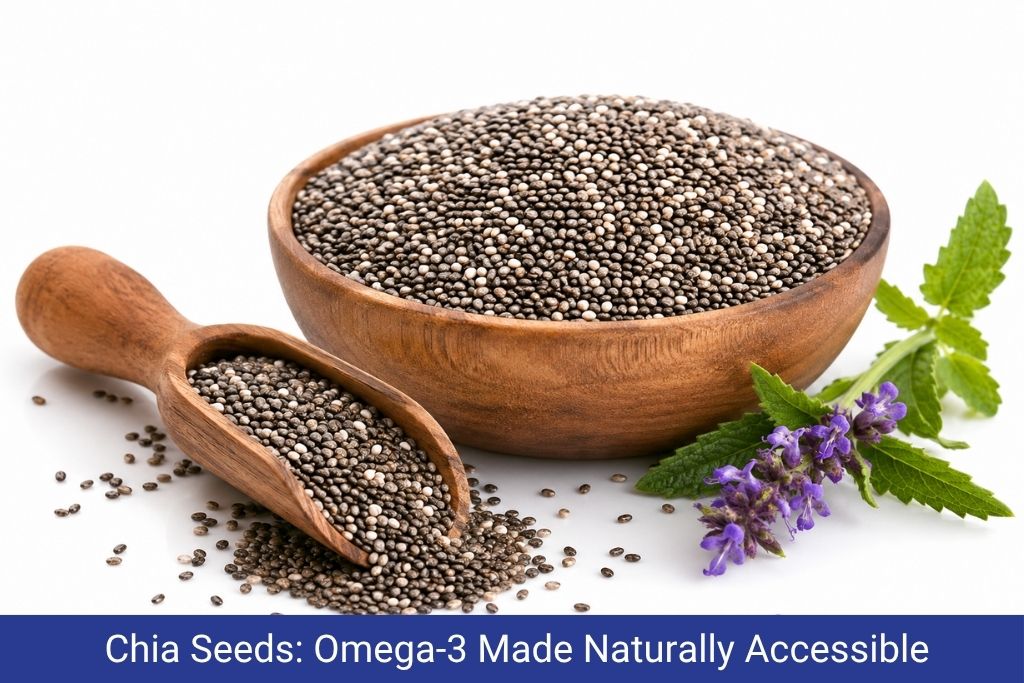
Chia Seeds: Omega-3 Made Naturally Accessible

Chia Seeds - More Accessible ALA

Chia seeds contain 17-18g ALA per 100g – slightly less per gram than flax, but the full benefit is accessible from whole seeds without grinding. A 25g serving of chia seeds (approximately 2 tablespoons) provides about 4.3g of ALA. Additionally, chia seeds are a rare plant food that provides a relatively balanced omega-3 to omega-6 ratio (~3:1), which is nutritionally favourable.

Quinoa Seeds

ALA Conversion Efficiency

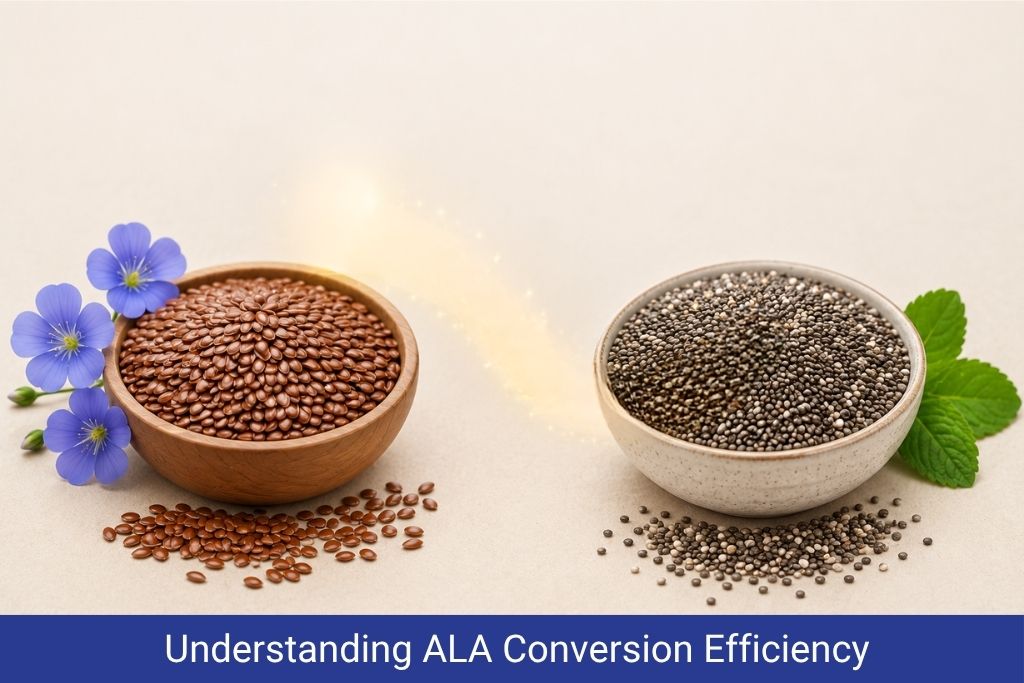
An important caveat: both seeds provide ALA, which must be converted to EPA and DHA by the body. This conversion is inefficient in humans (5-15% for EPA, <0.5% for DHA). Neither seed is a substitute for marine omega-3 sources for those requiring EPA/DHA specifically – a fact relevant for nutraceutical formulation and labelling.

Understanding ALA Conversion Efficiency

Fibre Content: Chia Seeds Lead

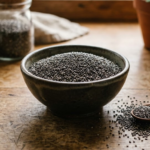
Chia seeds are one of the highest-fibre foods by weight – 34g of fibre per 100g, of which approximately 7-8g is soluble fibre. This soluble fibre is what creates the characteristic gel when chia seeds are hydrated – they can absorb 10-12 times their weight in water, forming a viscous hydrogel.

This gel formation is highly significant for: (a) weight management – slowing gastric emptying and increasing satiety, (b) blood glucose management – blunting post-meal glucose spikes, (c) food formulation – acting as a fat replacer, thickener, or egg substitute in baked goods.

Flax seeds provide 27g of fibre per 100g, of which approximately 6g is soluble (predominantly mucilage, similar in character to psyllium). Flax fibre is highly effective for bowel regularity and cholesterol management, but flax seeds do not form the same dramatic gel as chia seeds.

Get Your Custom Bulk Order Quote! Contact Us

Message us on WhatsApp

WhatsApp

Bulk Order

Which Is Better for Weight Loss?

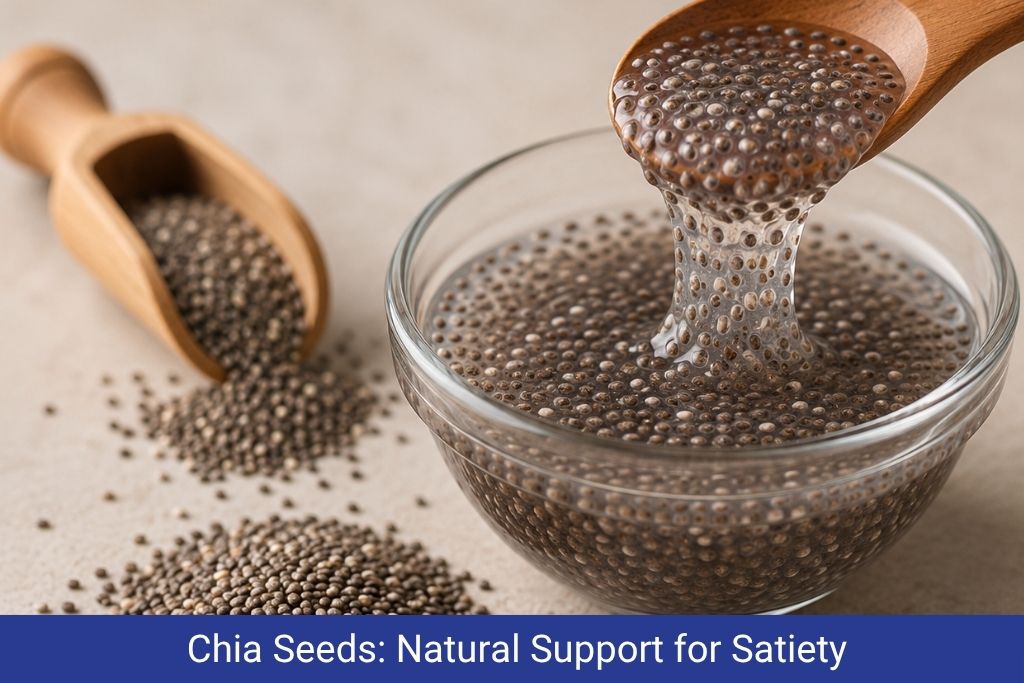
Chia Seeds Natural Support for Satiety

Chia Seeds: Satiety Through Gel Formation

The primary weight management mechanism of chia seeds is their extraordinary water absorption. When consumed, chia seeds expand significantly in the stomach, slowing gastric emptying and prolonging satiety. Several clinical studies have shown that chia seed supplementation reduces appetite and energy intake at subsequent meals. Chia seeds added to yoghurt or porridge consistently reduce short-term calorie intake compared to control conditions.

Flax Seeds: Lignans and Hormonal Metabolism

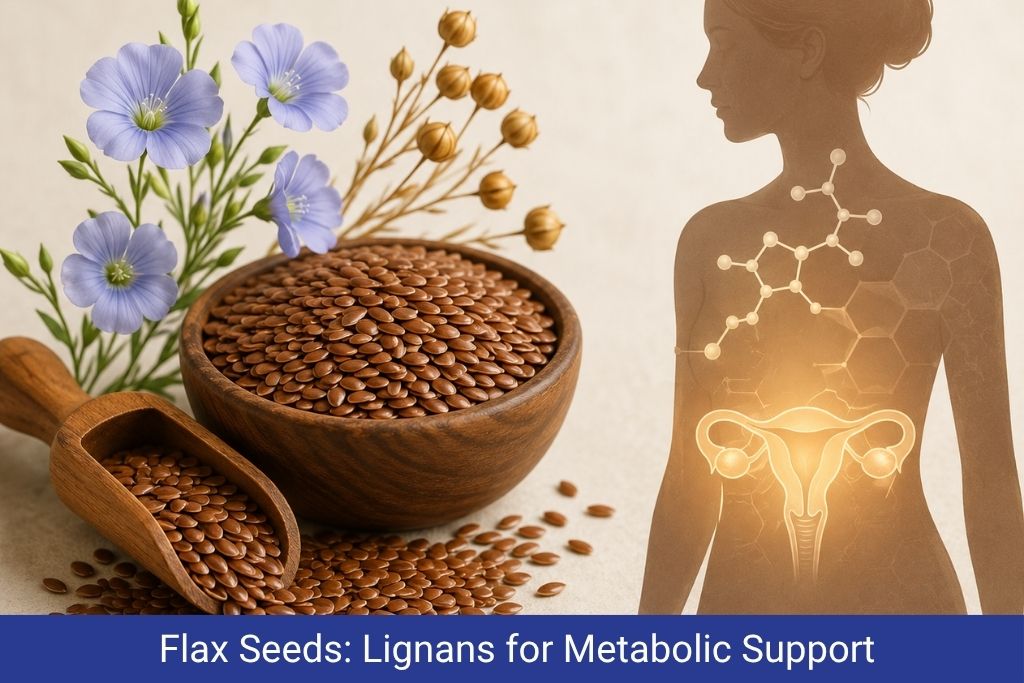
Flax seeds contain high concentrations of plant lignans (secoisolariciresinol diglucoside, or SDG) – phytoestrogens that have been associated with modest reductions in body fat in some studies, particularly in post-menopausal women. Ground flaxseed has also been shown to improve insulin sensitivity, which supports fat metabolism and reduces visceral adiposity over time.

Flax Seeds Lignans for Metabolic Support
Whole Spices

Verdict for Weight Loss

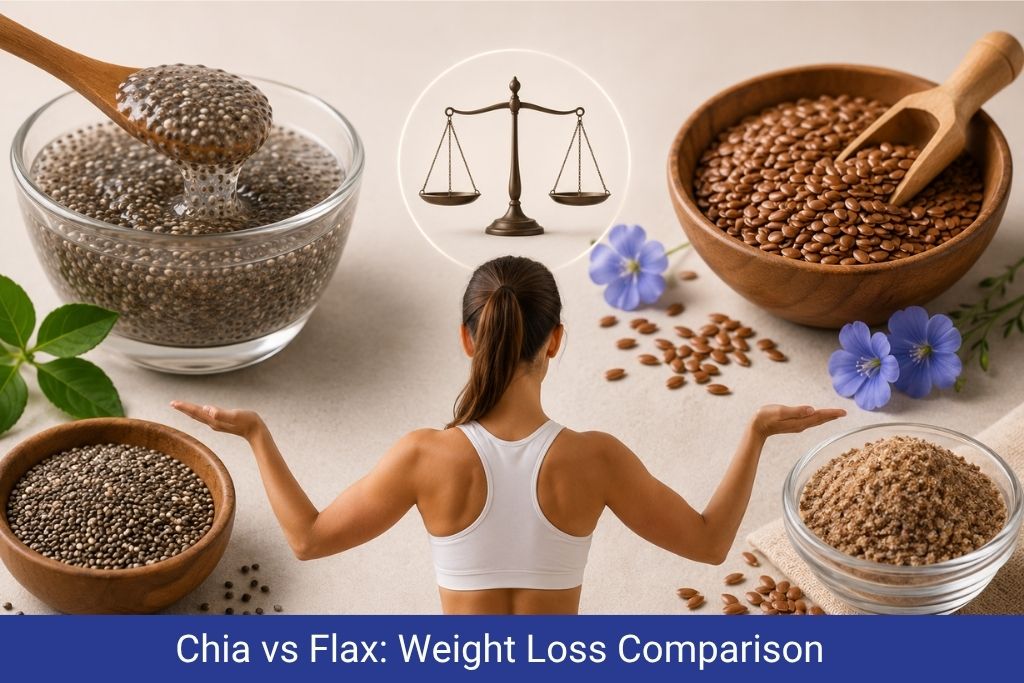
For most people seeking day-to-day appetite control and satiety, chia seeds are more practical and effective – they work whole, require no preparation, and form a satisfying gel in any liquid food. For targeted metabolic and hormonal support (particularly relevant in women’s health and supplement formulations), flax seeds provide unique benefits through their lignan content. Ideally, both are used complementarily.

Chia vs Flax Weight Loss Comparison

Culinary and Commercial Applications

Application Chia Seeds Flax Seeds
Smoothies & beverages Excellent (gel-forming) Good (ground only)
Baking (bread, muffins) Good (egg replacer at 1:3 water) Good (binding agent)
Puddings & desserts Excellent (characteristic gel texture) Moderate
Salad toppings Good (whole seeds) Good (ground preferred)
Energy bars & snacks Excellent Good
Plant protein formulations Good Better (higher protein)
Women’s health supplements Moderate Excellent (lignans)
Gluten-free baking Excellent Good
Shelf life in formulation Excellent (oxidatively stable) Moderate (ground oxidizes fast)

For food manufacturers and nutraceutical brands, chia seeds offer a significant formulation advantage: their oxidative stability (due to antioxidant content in the seed coat) gives them a much longer shelf life in finished products compared to ground flaxseed, which goes rancid quickly due to its high unsaturated fat content.

Source Both From One Certified Supplier

Giriraj Enterprise (https://girirajpsyllium.in) supplies certified bulk chia seeds and flax seeds for food manufacturers, supplement brands, and wholesalers. ISO 22000 | FSSAI | Halal | Kosher certified. Export to 50+ countries. Call: +91 89050 21778

Frequently Asked Questions (FAQs) on Chia Seeds & Flax Seeds

Which has more omega-3 - chia seeds or flax seeds?

Flax seeds have more total omega-3 ALA per 100g (~22-23g vs ~17-18g for chia). However, chia seeds deliver their ALA without grinding, making the omega-3 immediately accessible. Both provide plant-based ALA, which must be converted to EPA/DHA in the body with limited efficiency (~5-15%).

For satiety and appetite control, chia seeds have the edge – their gel-forming ability slows gastric emptying and extends fullness. For hormonal metabolism and long-term fat reduction (particularly in women), flax seeds offer unique lignan benefits. The ideal approach is to use both as part of a varied diet.

No. Chia seeds can be consumed whole and their nutrients are fully bioavailable. Flax seeds have a tough seed coat that resists digestion – whole flax seeds pass largely undigested. Flaxseed must be ground (flax meal) to access its omega-3, fibre, and lignan content effectively.

Chia seeds contain approximately 34g of total dietary fibre per 100g, compared to approximately 27g for flax seeds. Chia seeds have a higher proportion of soluble fibre that forms a viscous gel when hydrated – a key functional property for both health and food formulation.

Yes. Mixing 1 tablespoon of chia seeds with 3 tablespoons of water and allowing it to gel for 5-10 minutes creates a ‘chia egg’ that works as a binding agent in baked goods. This is particularly valuable in vegan and egg-free product formulations for commercial food manufacturers.

Both are high-demand ingredients. Chia seeds have higher global search volumes (1.83M/month) and stronger growth in consumer markets. Flax seeds have a more established industrial market in cold-pressed oils, functional foods, and supplement capsules. For a food ingredient distributor, carrying both is commercially advantageous.

Whole chia seeds have an exceptionally long shelf life of 2-4 years when stored in cool, dry conditions – significantly longer than whole flax seeds (approximately 1 year) and ground flaxseed (approximately 3-6 months due to rapid oxidation). This makes chia seeds a lower-risk inventory proposition for importers and distributors.