



AI Summary
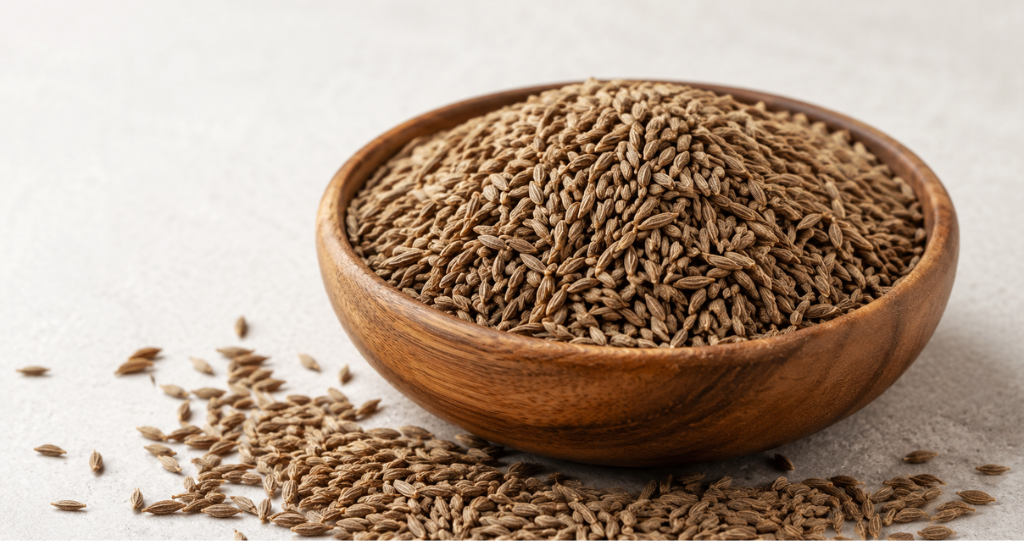
The top 10 uses of cumin seeds in the global food industry are ground cumin powder, spice blends and curry powder, cumin oleoresin and essential oil, roasted cumin for snack seasoning, bakery and bread applications, meat processing and marinades, pickling and sauces, beverage and jeera drink production, ready meal seasoning systems, and nutraceutical formulations. These applications span whole seed and the major value added cumin products that convert raw jeera into higher margin ingredients. India supplies roughly 70 percent of world cumin from Gujarat and Rajasthan, and Giriraj Enterprise, among established cumin seeds manufacturers in India, delivers whole seed in multiple purity grades plus freshly ground cumin powder under bulk and private label formats.
Introduction
Cumin, known across South Asia as jeera, ranks as the world’s second most traded spice after black pepper, and its commercial importance rests entirely on remarkable versatility that lets a single seed serve applications from household seasoning to industrial flavor extraction. India dominates supply, producing roughly 70 percent of global cumin from the arid belts of Gujarat and Rajasthan and trading it through Unjha, the world’s largest cumin market, which sets global price references. Global search interest for cumin exceeds 200,000 monthly queries, reflecting its mainstream status across western and eastern kitchens alike. For exporters and food manufacturers, understanding where cumin actually goes, and how much value each application adds beyond the raw seed, is essential to capturing the full commercial opportunity. Whole seed export is only the beginning; the value added products, from cumin powder through oleoresin, represent higher margin conversions that transform commodity jeera into specialized ingredients. These ten uses, including the principal value added cumin products, account for how the global food industry consumes cumin supply.



Ground Cumin Powder: The Largest Value Added Cumin Product
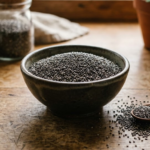
Ground cumin powder is the single largest value added conversion of the seed, transforming whole jeera into the retail jar and industrial seasoning ingredient that kitchens and food manufacturers use most. Grinding adds value by delivering ready to use powder while creating opportunities for quality differentiation through mesh size, volatile oil retention, and purity, the specifications that cumin powder suppliers compete on. The conversion matters commercially because powder commands better margins than raw seed and because grinding freshness directly affects flavor strength, giving suppliers who grind carefully a quality advantage over those whose powder loses volatile oils through poor handling or age. Retail spice brands, food service operations, and food manufacturers all buy cumin powder in enormous volumes, making it the workhorse value added product of the cumin trade. Buyers specify mesh fineness matched to their application, volatile oil content for flavor intensity, and purity grade, with premium buyers demanding fresh grinding that preserves aroma. Suppliers offering in house grinding with volatile oil preservation deliver superior powder, and private label powder programs let brands sell under their own identity. As the foundational value added cumin product, ground powder anchors the entire conversion economics of the trade.
Spice Blends and Curry Powder: Cumin as the Backbone Ingredient
Cumin functions as the backbone ingredient across the world’s major spice blends, and blend manufacturers collectively form the most consistent large scale buyers of Indian jeera. Garam masala, curry powder, taco and chili seasoning, ras el hanout, baharat, and countless regional blends all build on cumin’s warm, earthy base, meaning demand for cumin tracks the global growth of ethnic cuisine cooking directly.This application gives cumin exceptionally stable and diversified demand, since blend manufacturers serve retail, food service, and industrial channels across every continent, insulating cumin from the volatility narrower applications face.
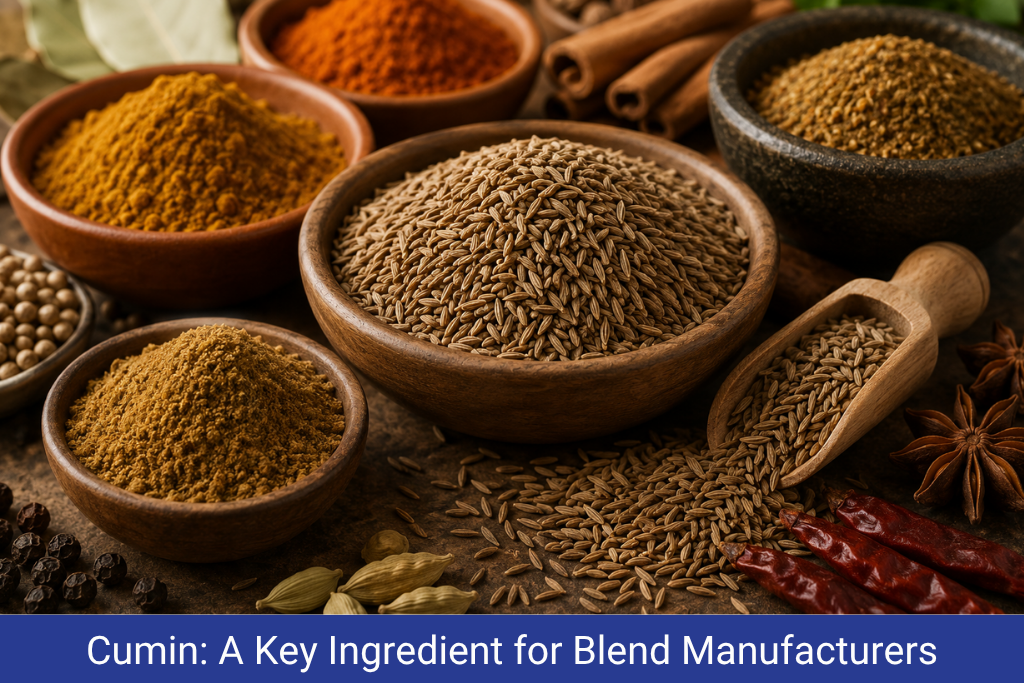
The blend industry’s global scale, spanning multinational spice companies and regional blenders, absorbs cumin in bulk volumes with consistent year round demand. Blend manufacturers specify cumin by purity grade, volatile oil content, and often origin, since cumin flavor contributes centrally to their finished products’ quality. Suppliers serving blend manufacturers must deliver consistent flavor and quality batch after batch, since a locked blend recipe cannot tolerate variation. As global cuisine cooking expands in western markets and established markets deepen their spice use, blend demand for cumin grows steadily, making this application a cornerstone of cumin’s global consumption and a stable channel for exporters.
Cumin Oleoresin and Essential Oil: Extraction Grade Jeera Export
Cumin oleoresin and essential oil represent the highest value added extraction products, converting whole seed into concentrated, standardized flavoring ingredients used by flavor houses and food manufacturers. Solvent extraction produces cumin oleoresin, a concentrated flavor and aroma extract, while steam distillation yields cuminaldehyde rich essential oil, and both deliver standardized, microbially safe cumin flavor that processed food manufacturers require for consistency and food safety. These extracts serve applications where whole or ground cumin would introduce variability, particulate matter, or microbial risk, letting manufacturers add precise, clean cumin flavor to sauces, seasonings, processed foods, and even flavored beverages. The extraction industry buys extraction grade seed evaluated on volatile oil and cuminaldehyde content rather than appearance, opening an outlet for material judged on chemistry rather than cosmetics. Flavor houses that supply the global processed food industry are the primary buyers, contracting against standardized flavor specifications. This value added product commands premium pricing reflecting the concentration and consistency it delivers, and as processed food manufacturing grows globally, extract demand rises with it. For exporters, extraction grade jeera and the oleoresin and oil derived from it represent the premium technical end of the cumin value chain.
Roasted Cumin: Seasoning for Snack and Namkeen Manufacturing
Roasted cumin, whole or ground, serves the snack and namkeen manufacturing industry, where roasting develops the deeper, toasted aroma that plain seed cannot deliver. Roasting transforms cumin’s flavor profile, intensifying and mellowing it into the warm, nutty character that chips, extruded snacks, trail mixes, seasoned nuts, and Indian namkeen require, making roasted cumin a distinct value added product with its own applications. The global snack industry, spanning western savory snacks and the enormous South Asian namkeen market served both domestically and through diaspora export, consumes roasted cumin in substantial volumes as a signature seasoning. This application adds value through the roasting process itself, which requires controlled technique to develop flavor without scorching, giving skilled processors an advantage.
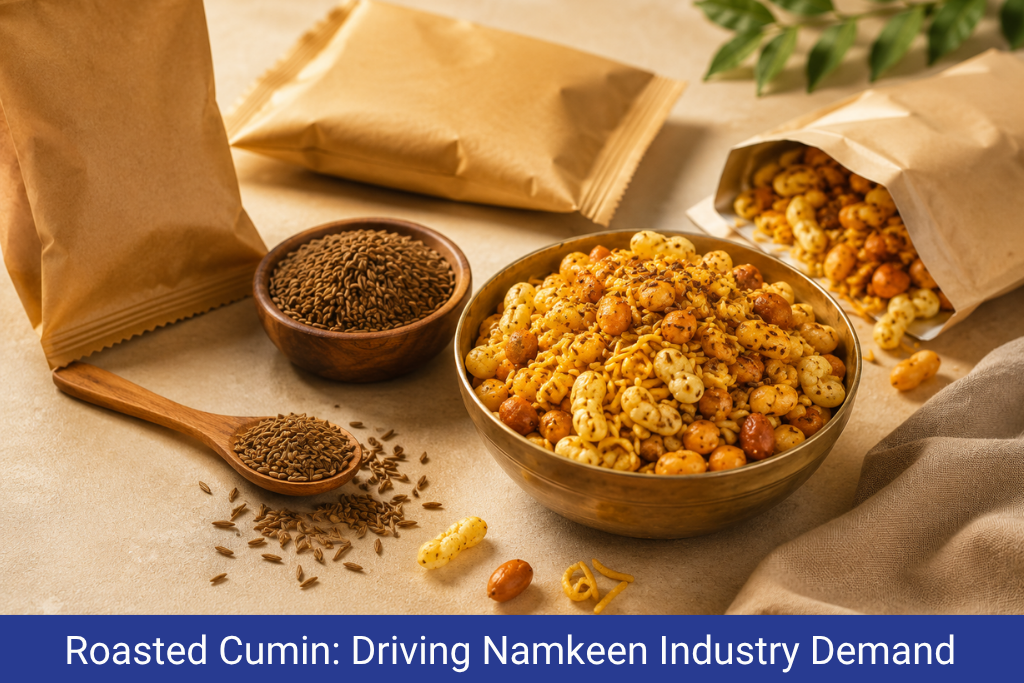
Snack manufacturers specify roasted cumin by flavor profile, grind, and consistency, since seasoning uniformity affects their product quality directly. As global snacking grows and South Asian snack foods gain international distribution, roasted cumin demand expands across both western and ethnic snack channels. Suppliers offering roasted cumin alongside raw seed and powder serve the snack industry’s specific needs, and the roasting conversion represents another way exporters add value beyond commodity seed export.
Our Other Product
Fenugreek SeedBakery Applications: Cumin Seed Topping for Breads and Crackers
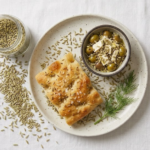
Whole cumin seeds serve bakery applications as toppings and inclusions across breads, crackers, and savory biscuits, particularly throughout Europe and the Middle East where cumin topped baked goods are traditional. Rye breads, flatbreads, lavash, crackers, and savory biscuits use whole cumin seed for both flavor and visual appeal, requiring bold, uniform, clean seed that presents well on the baked surface and delivers consistent flavor. This application demands high quality whole seed with strong appearance and volatile oil, since the seeds are visible and their flavor prominent in the finished product, favoring premium sortex cleaned material. The bakery industry across cumin using regions provides steady demand, and as Middle Eastern and European artisan breads gain western mainstream distribution, cumin bakery demand extends into new markets. Bakery buyers specify seed size, cleanliness, and volatile oil, treating appearance and flavor as equally important. Suppliers delivering bold, clean, aromatic whole seed serve this quality sensitive application well. While bakery demand is smaller than powder or blend volumes, it commands premium pricing for quality whole seed and adds application diversity to cumin demand, connecting the spice to the large and growing artisan and specialty bakery market across two continents.
Meat Processing and Marinades: Antimicrobial Flavor for Protein Products
The meat processing industry uses cumin both as a flavoring and for its natural antimicrobial properties, incorporating it into sausages, kebabs, cured meats, and marinades across global protein products. Cumin’s warm flavor complements meat in numerous cuisines, from Middle Eastern kebabs and merguez sausage to Latin American seasoned meats and Indian preparations, giving it broad application across the meat industry. Beyond flavor, cumin’s natural antimicrobial contribution supports shelf life in seasoned and cured products, a functional benefit that meat processors value alongside taste.
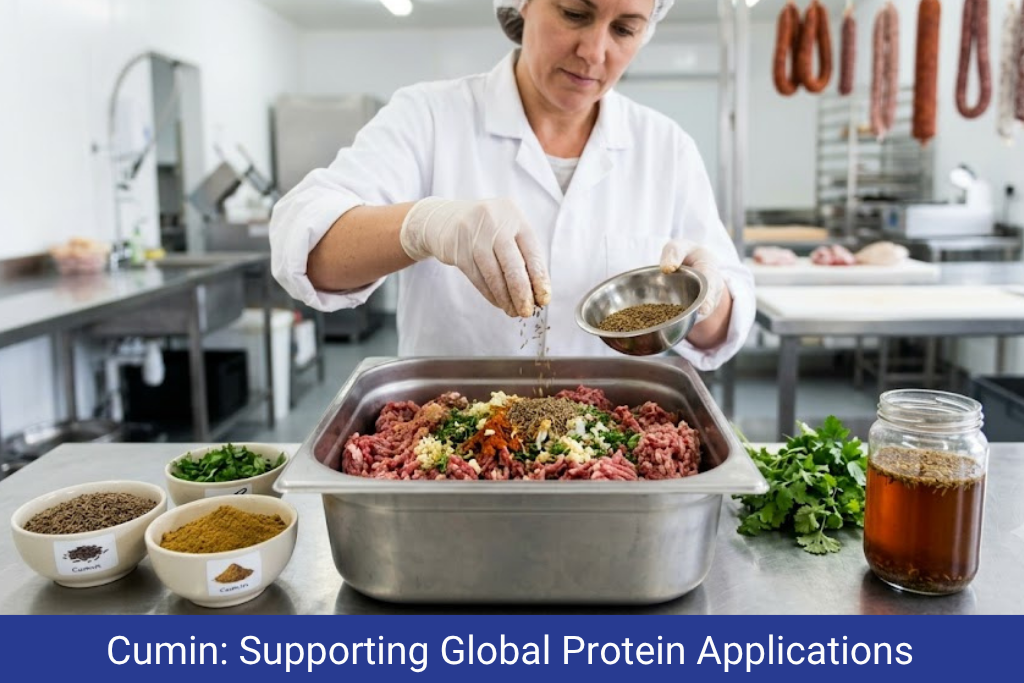
This dual role, flavor plus preservation support, embeds cumin in meat processing formulations across many markets. The application spans industrial meat manufacturing and food service, with sausage makers, marinade producers, and prepared meat companies buying cumin in whole, ground, and roasted forms according to their processes. Meat processors specify cumin by flavor profile, form, and often microbial standards, since meat products face strict food safety requirements. As global demand for seasoned, prepared, and ethnic meat products grows, cumin’s role in meat processing expands correspondingly. Suppliers serving meat processors must meet both flavor and food safety expectations, and cumin’s combination of taste and antimicrobial contribution keeps it embedded in protein product formulations worldwide.
Pickles, Sauces, and Condiments: Cumin in Preserved Food Manufacturing
Cumin serves the pickle, sauce, and condiment industry, where its flavor stability through thermal processing and long ambient shelf life make it ideal for preserved foods. Salsa, hummus, chutney, barbecue sauce, pickle, and countless condiment manufacturers depend on cumin because its flavor survives the heat processing and extended storage that preserved products undergo, delivering consistent taste from production through the product’s shelf life. This stability distinguishes cumin from more volatile flavorings that degrade in preserved applications, making it a reliable choice for condiment formulators. The global condiment and preserved food industry, spanning Mexican salsa, Middle Eastern hummus, South Asian chutneys, and western sauces, consumes cumin across both whole and ground forms according to product requirements. As ethnic condiments like hummus and salsa achieve mainstream western distribution, cumin demand in this sector grows alongside them. Condiment manufacturers specify cumin by form, flavor strength, and microbial standards, since their products require both consistent taste and food safety through long shelf lives. Suppliers serving this industry deliver cumin that performs reliably through thermal processing and storage. The preserved food application connects cumin to the large and growing global condiment market, adding another stable channel for the spice’s consumption.
Beverage Industry: Jeera Drink and Digestive Beverage Production
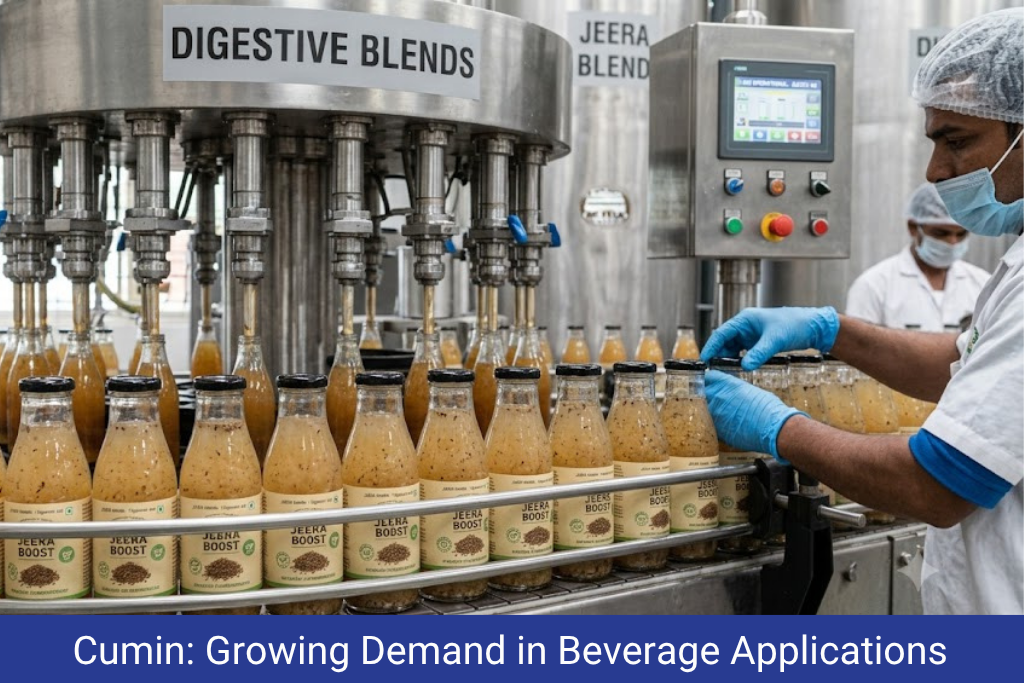
The beverage industry consumes cumin through jeera drink and digestive beverage production, a fast growing segment particularly strong in South Asia and the Middle East. Jeera masala soda, cumin infused digestive drinks, and traditional jeera water preparations form an expanding beverage category, driven by cumin’s digestive associations and distinctive flavor, and increasingly manufactured at industrial scale for retail distribution. This application uses roasted cumin and cumin extract to deliver flavor and functional positioning in beverages marketed for digestion and refreshment, connecting the spice to the large beverage industry.
The segment’s growth reflects both traditional consumption patterns being commercialized into packaged products and rising interest in functional beverages with health associations. Beverage manufacturers require cumin in forms suitable for their processes, often roasted cumin extract or specially processed material that delivers clean flavor without particulates or microbial risk in the finished drink. As functional and traditional beverages gain packaged retail distribution across South Asia, the Middle East, and diaspora markets, cumin beverage demand expands. Suppliers offering roasted cumin and extract grades serve this growing application. The beverage channel represents an emerging value added outlet for cumin, extending its consumption beyond food into the substantial beverage sector.
Our Other Product
Fennel PowderReady Meals and Seasoning Systems: Industrial Cumin for Convenience Food
The ready meal and convenience food industry uses cumin through industrial seasoning systems, including encapsulated and heat stable formats, a segment growing with global convenience food consumption. Frozen entrees, instant noodles, meal kits, and ready to eat products incorporate cumin through engineered seasoning systems that deliver consistent flavor through freezing, reheating, and extended storage, requiring specialized cumin formats beyond simple ground spice. Encapsulated cumin and heat stable seasoning blends protect flavor through industrial processing, and this technical application connects cumin to the large convenience food manufacturing sector. As busy lifestyles drive convenience food consumption globally, and as ethnic ready meals featuring cumin gain distribution, industrial cumin demand in this channel grows. Convenience food manufacturers specify cumin in forms compatible with their processes and shelf life requirements, often working with seasoning system suppliers who incorporate cumin into engineered blends. This application values consistency, processing stability, and food safety above all, since ready meals must deliver reliable flavor across long shelf lives and industrial production. Suppliers serving this sector, directly or through seasoning system manufacturers, provide cumin meeting these technical demands. The convenience food channel represents a growing industrial outlet that expands cumin demand alongside changing global eating patterns.
Read Our Article
How to Identify High-Quality Psyllium Husk for Commercial Use?Nutraceutical Formulations: Cumin Extract for Digestive Wellness
Nutraceutical formulations use cumin extract for digestive wellness, metabolism, and iron support, connecting the spice trade to the high margin supplement industry. Supplement brands encapsulate cumin extract and cumin seed powder into products positioned for digestive health, metabolic support, and mineral supplementation, drawing on cumin’s traditional digestive associations and its iron content. This application, though smaller in volume than food uses, commands premium pricing reflecting the supplement industry’s margins and quality requirements, and it represents cumin’s extension from culinary spice into functional health products. The nutraceutical channel demands high quality material meeting supplement grade specifications, including standardized extracts for consistent active content and clean material free of contamination. As the global supplement market grows and consumers seek botanical ingredients with traditional health associations, cumin’s nutraceutical demand rises. Supplement formulators specify cumin extract or powder by standardization, purity, and microbial and heavy metal compliance, applying the rigorous standards the supplement industry requires. Suppliers serving nutraceutical buyers must meet these demanding specifications, distinguishing supplement grade supply from general food material. The nutraceutical application, connecting cumin to functional wellness, adds a premium high margin channel that complements the spice’s large food industry consumption and diversifies demand beyond culinary use.

Why Buyers Source Cumin Seeds and Value Added Products from Giriraj Enterprise
- Direct procurement from Unjha, the world’s largest cumin trading hub in Gujarat, ensuring quality and competitive pricing
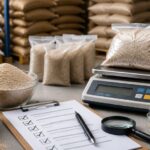
- Machine cleaned, sortex sorted seed in 99 percent, 99.5 percent, Singapore quality, and Europe quality purity grades
- In house grinding for cumin powder with volatile oil preservation delivering fresh, aromatic material
- Roasted cumin and extraction grade supply serving snack, beverage, and oleoresin applications
- Destination matched pesticide compliance for European and other strict markets alongside standard export grades
- Private label cumin seed and powder packing plus consolidated shipments combining cumin with other whole spices
Frequently Asked Questions
Which country is the largest producer of cumin seeds?
India produces roughly 70 percent of the world’s cumin, concentrated in Gujarat and Rajasthan, and trades it through Unjha, the world’s largest cumin market, which sets global price references for the spice.
What is the most common value added product made from cumin seeds?
Ground cumin powder is the highest volume value added conversion, followed by spice blends built on cumin as a backbone ingredient, and oleoresin and essential oil for the flavor extraction industry.
What purity grades are standard in cumin seed export?
Standard export grades include 98 percent, 99 percent, and 99.5 percent purity, plus Singapore quality and Europe quality with stricter pesticide compliance, allowing buyers to match grade to their market and application.
What is cumin oleoresin used for?
Flavor houses use cumin oleoresin to deliver standardized, microbially safe, concentrated cumin flavor in sauces, seasonings, processed foods, and beverages where whole or ground cumin would introduce variability or contamination risk.
Does Giriraj Enterprise supply both whole cumin seeds and cumin powder?
Yes. Giriraj Enterprise exports whole cumin seeds in multiple purity grades alongside freshly ground cumin powder with volatile oil preservation, plus roasted and extraction grades, under both bulk and private label formats.

Mihir Shah is the CEO of Giriraj Enterprise, a trusted manufacturer, supplier, and exporter of Psyllium products, whole spices, ground spices, herbal products, guar gum and other agro products like Quinoa Seeds, Chia Seeds including Isabgol, Plantago ovata Seeds, Ispaghula Husk Powder and Kha Kha Powder. Founded in 1973 and based in Unjha, Gujarat, Giriraj Enterprise has grown significantly under Mihir’s leadership, establishing itself as a trusted name in the global market. With a focus on high-quality standards and adherence to international food norms, the company serves a wide customer base across the globe.
A strategic thinker with a passion for sustainable growth, Mihir has played a pivotal role in expanding the company’s production capacity, which now stands at 3,000 quintals per month, and in ensuring that Giriraj Enterprise remains at the forefront of innovation in the industry. His commitment to quality is reflected in the company’s stringent in-house quality testing and third-party verification, ensuring that all products meet the highest standards of excellence. He is dedicated to driving customer satisfaction by offering fast, reliable services both domestically and internationally.
Through his writing, Mihir shares valuable insights and knowledge about Psyllium, spices, herbal and other agro products, educating readers on their benefits and the role they play in promoting health and well-being. His goal is to provide factual, transparent information to help consumers and businesses make informed decisions.