





AI Summary
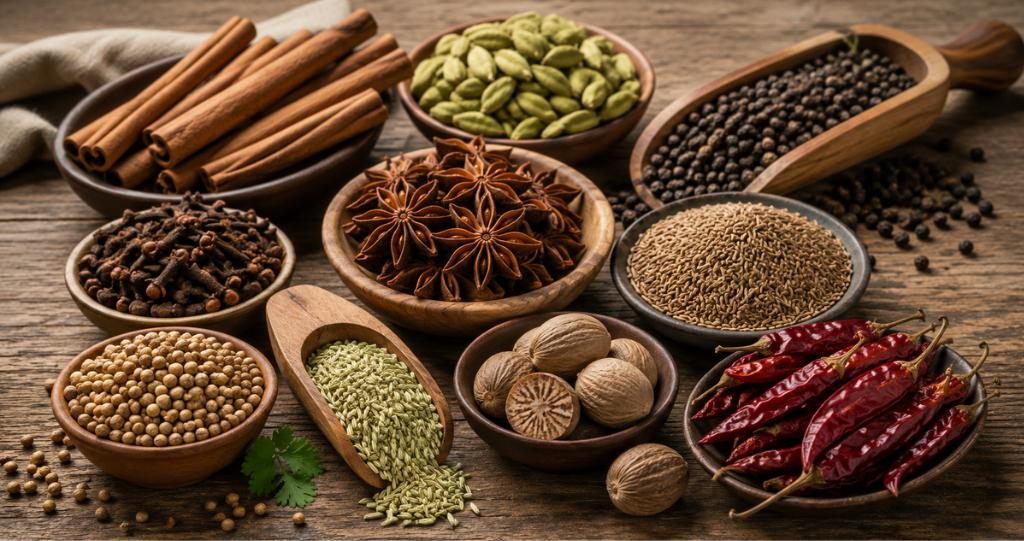
The top 10 whole spices with growing demand in Europe and North America are cumin seeds, fennel seeds, coriander seeds, kalonji or nigella seeds, ajwain, fenugreek seeds, sesame seeds, bay leaf, cinnamon, and dill seeds. Demand growth is driven by three converging trends: rising home cooking of global cuisine, clean label reformulation toward recognizable natural ingredients, and functional wellness positioning of botanical spices. India supplies a dominant share of several of these, including roughly 70 percent of world cumin. Giriraj Enterprise, among quality focused whole spices exporters from India, supplies all ten with sortex cleaning, steam sterilization options, ETO free processing, and complete export documentation.
Introduction
Western spice demand is being reshaped by forces that all point toward the whole spices India produces at scale. Home cooks across Europe and North America increasingly prepare Mexican, Middle Eastern, Indian, and Mediterranean dishes that call for authentic whole spices rather than generic blends, while food manufacturers reformulate products toward clean labels featuring recognizable natural ingredients consumers trust. Simultaneously, the wellness movement has repositioned many traditional spices as functional ingredients valued for digestive, antioxidant, and metabolic properties, extending their demand beyond the kitchen into supplements and functional foods. Import data from the EU and USA confirms sustained volume growth across a consistent set of spices, and India, with its scale, variety, and processing infrastructure, is the natural primary origin for most of them. For importers, understanding which whole spices are growing, why, and what quality each application demands is the foundation of a profitable spice sourcing strategy. These ten spices account for the strongest demand momentum in western markets, and each offers distinct commercial characteristics.
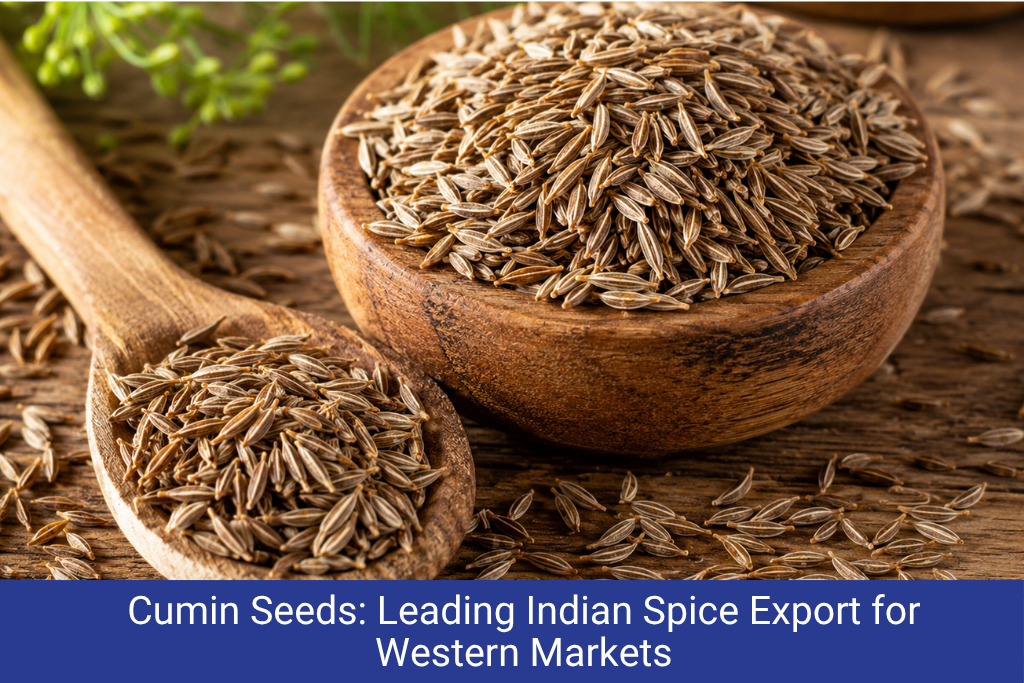
Cumin Seeds: The Highest Volume Indian Spices Export to the West
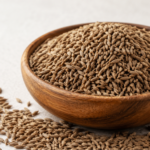
Cumin seeds anchor the entire western whole spice trade because they sit at the intersection of the three largest ethnic cuisines driving home cooking growth: Mexican, Middle Eastern, and Indian, each of which uses cumin as a foundational spice. India supplies roughly 70 percent of world cumin from Gujarat and Rajasthan, giving Indian exporters dominant position in a market where American retail demand for taco and chili seasoning meets European industrial demand for spice grinding and blend manufacturing.
Cumin’s broad application base, spanning household spice racks, restaurant kitchens, and food manufacturing, gives it the steadiest and largest demand of any spice on this list, insulated from the volatility that narrower spices face. Buyers specify purity grades from 98 to 99.5 percent and Europe quality with stricter pesticide compliance, plus volatile oil content that determines flavor strength. The global search interest for cumin, exceeding 200,000 monthly queries, reflects its mainstream western adoption. Suppliers offering multiple purity grades, fresh material with strong volatile oil, and destination specific pesticide compliance serve the full breadth of cumin demand. It remains the cornerstone of any Indian whole spice export operation.
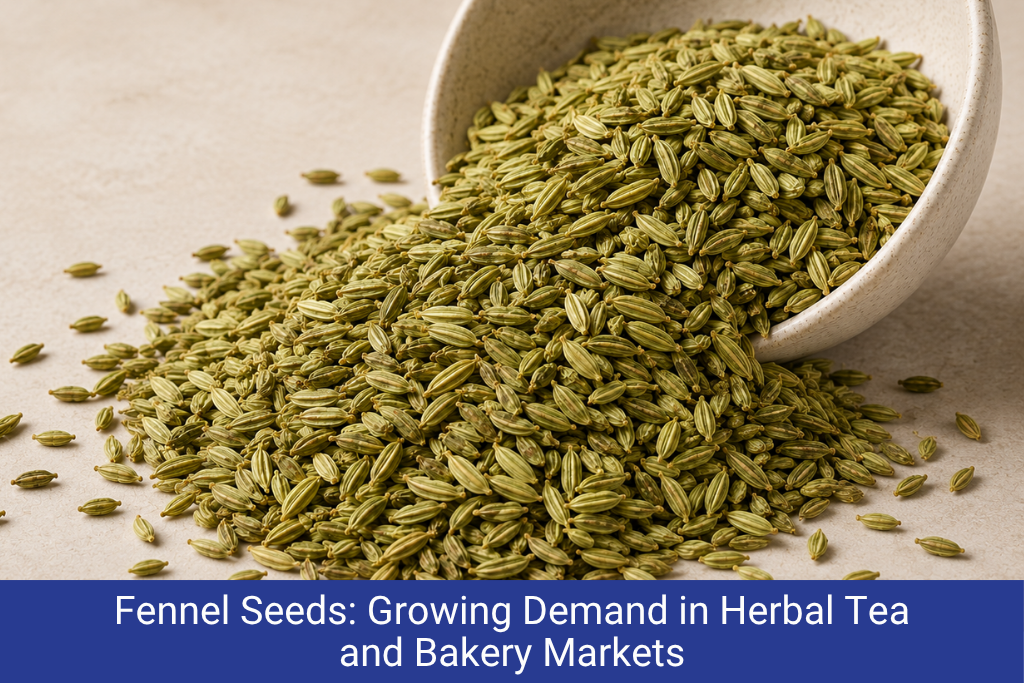
Fennel Seeds: Sweet Spice Rising in Tea and Bakery Applications
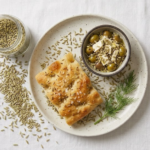
Fennel seeds are climbing western demand on the strength of two expanding applications, herbal tea and artisan bakery, where the seed’s sweet, anise like flavor from its anethole content makes it distinctive and versatile. European herbal tea brands blend fennel into digestive and baby gripe teas, driving steady demand for bright green, aromatic seed with high volatile oil, while artisan bakeries across Europe and increasingly North America incorporate fennel into breads, crackers, and confectionery.
Indian green fennel is specifically preferred for these premium applications because its sweetness and volatile oil content exceed alternatives, and buyers pay premiums for the bold green color that signals freshness and quality. The wellness positioning of fennel as a digestive aid reinforces its tea and supplement demand, connecting culinary and functional markets. Buyers specify green premium, machine cleaned, and Europe quality grades according to their application and destination pesticide requirements. As herbal tea consumption and artisan baking continue growing in western markets, fennel demand rises with them, and suppliers offering fresh, aromatic, high oil green fennel capture the premium end of this expanding trade.
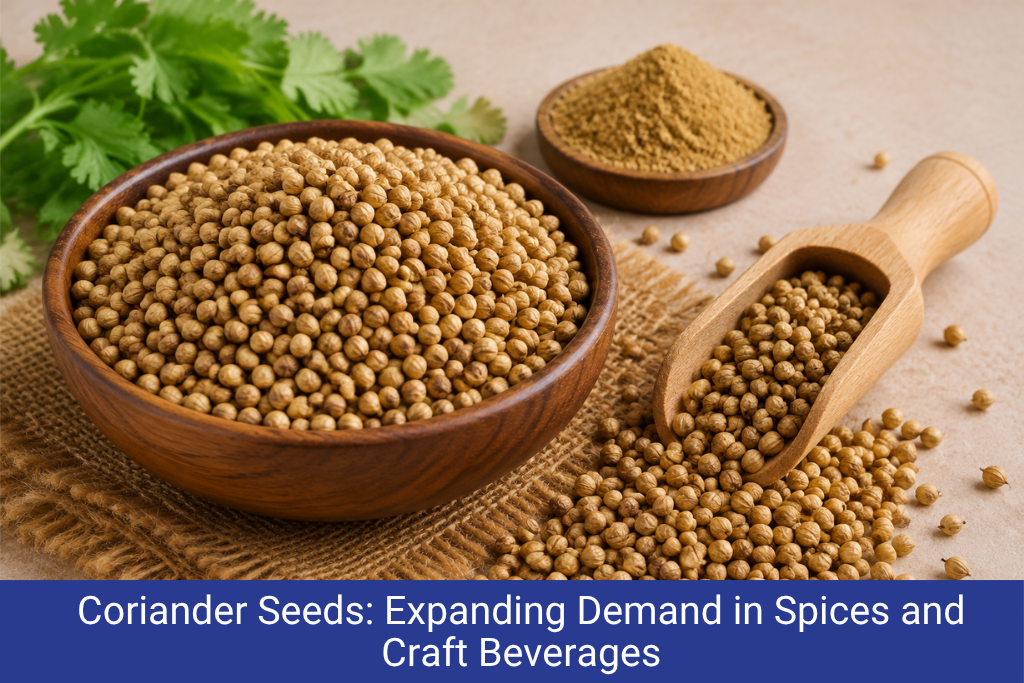
Coriander Seeds: Craft Beverage and Seasoning Demand Growth
Coriander seeds serve an unusual dual demand in western markets, feeding both traditional spice blending and the fast growing craft beverage industry, where the seed’s citrusy, floral notes have made it a signature botanical. Spice blenders use coriander across curry powders, garam masala, pickling spices, and Middle Eastern blends, providing steady baseline demand, while the craft brewing boom has added a distinctive new channel, since Belgian style witbiers and many craft ales use coriander as a defining flavoring botanical.
This craft beverage demand, spanning breweries and increasingly craft distillers making botanical spirits, has grown alongside the western craft drinks movement, adding volume uncorrelated with food trends. Coriander’s mild, versatile flavor and its role in both savory cooking and beverages give it broad, resilient demand across Europe and North America. Buyers specify purity, essential oil content for aroma strength, and appearance, with brewing buyers particularly attentive to flavor consistency. India supplies substantial coriander volumes, and exporters serving both the spice blending and craft beverage channels access diverse, stable demand. The seed’s expansion into craft drinks illustrates how traditional spices find new western markets.
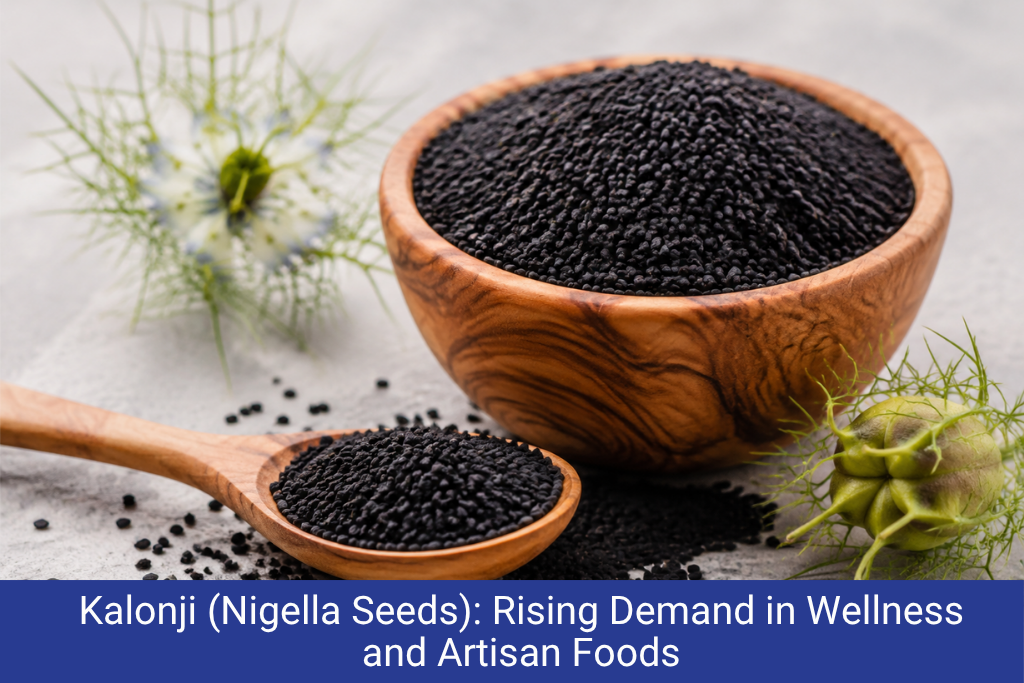
Kalonji: Nigella Seeds Trending in Wellness and Artisan Foods
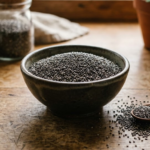
Kalonji, traded internationally as nigella seeds or black seed, is riding two powerful western trends simultaneously, the black seed oil wellness wave and the artisan bread movement, giving it strong demand momentum. The wellness market has embraced black seed for its traditional health associations, driving demand for both whole nigella seeds and material destined for oil extraction, as black seed oil supplements have become a significant health product category across Europe and North America.
Concurrently, artisan and specialty bakeries use nigella seeds to top breads, bagels, crackers, and flatbreads, where the small black seeds add visual appeal and a distinctive mild, oniony flavor increasingly familiar to western consumers. This combination of wellness and culinary demand, previously confined largely to diaspora grocery channels, has pushed kalonji into mainstream western distribution. Buyers specify purity, oil content for extraction grades, and clean appearance for topping applications. India supplies kalonji to both channels, and exporters benefit from serving the whole seed culinary market and the oil extraction market from the same crop. As black seed wellness awareness spreads and artisan baking grows, kalonji demand expands across both applications, making it one of the faster growing spices on this list.
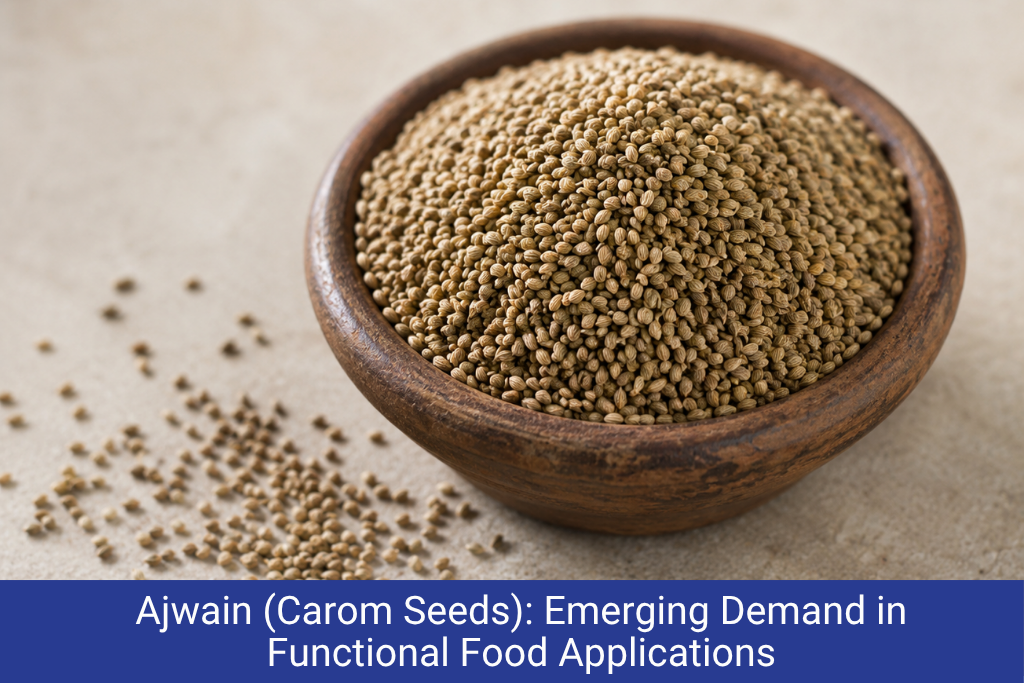
Ajwain: Carom Seeds Entering Functional Food Formulations
Ajwain, known in English as carom seeds, is expanding beyond its traditional diaspora grocery base into functional food and herbal supplement formulations, driven by its thymol rich composition and digestive associations. The seed’s high thymol content gives it both a distinctive sharp, thyme like flavor and functional properties that supplement and functional food brands increasingly formulate around, particularly for digestive health positioning. While ajwain remains most familiar to South Asian communities who use it in breads, snacks, and traditional remedies, western functional food developers are discovering it as a novel botanical with a health story, extending its demand into new channels.
This mirrors the broader pattern of traditional Indian spices finding functional food applications as western wellness markets seek differentiated botanical ingredients. Buyers specify purity, thymol or volatile oil content for functional applications, and cleanliness. India is the primary global source of ajwain, giving Indian exporters natural advantage in serving both the established diaspora culinary demand and the emerging functional food market. As functional food formulators continue seeking novel botanicals with authentic health associations, ajwain represents an early stage growth opportunity that forward looking exporters are positioning for.
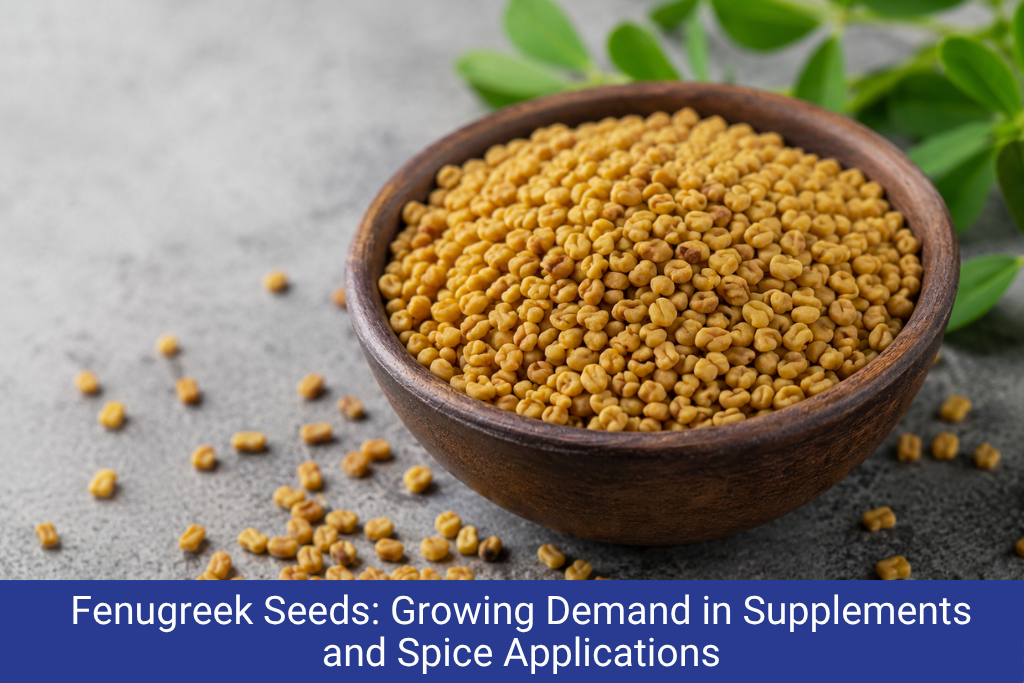
Fenugreek Seeds: Supplement Industry Staple with Culinary Growth
Fenugreek seeds occupy a substantial and growing western market split between a large supplement and extract industry and steady culinary demand from spice blend manufacturers. The supplement industry drives the larger share, formulating fenugreek extract into products targeting blood sugar management, testosterone support, and lactation enhancement, applications backed by traditional use and ongoing research that sustain strong extract grade demand.
Simultaneously, curry blend and spice manufacturers use whole and ground fenugreek as an essential component of curry powders and South Asian blends, providing consistent culinary demand across Europe and North America. This dual market structure, functional supplements plus culinary blending, gives fenugreek resilient, diversified demand. Buyers specify purity, and extract buyers additionally require material suitable for standardized extraction, while culinary buyers focus on flavor and appearance. India supplies significant fenugreek volumes, and exporters serving both the supplement extract channel and the spice blending channel access the full breadth of western demand. As the plant based supplement market grows and global cuisine cooking expands, fenugreek demand rises across both its applications, making it a stable, multi channel spice with growing western relevance.
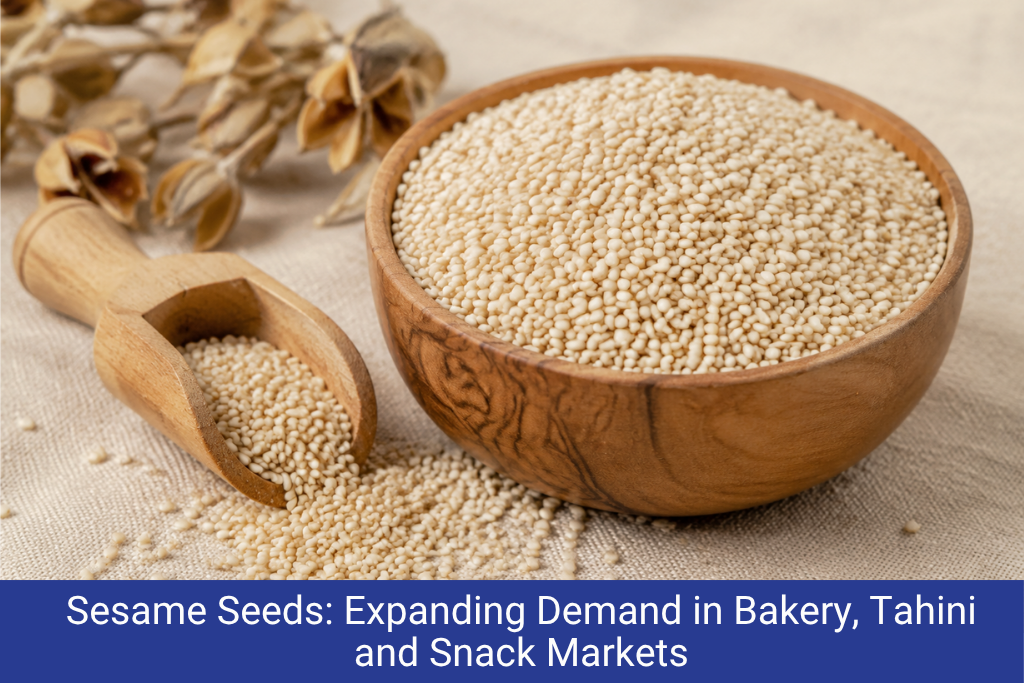
Sesame Seeds: Bakery and Tahini Expansion Across Both Continents
Sesame seeds are experiencing broad western demand growth driven by three expanding uses, bakery topping, tahini consumption, and snack manufacturing, each pulling volume across Europe and North America. The enormous burger bun and bakery industry consumes hulled and natural sesame seeds as toppings and inclusions, while the surging popularity of Middle Eastern cuisine has made tahini, the sesame paste, a mainstream product driving substantial seed demand for grinding. Snack bar and health snack manufacturers add further demand, incorporating sesame for its nutritional profile and flavor.
This multi application demand makes sesame one of the higher volume spices in western trade. Buyers prioritize purity, specifying 99.95 percent sortex cleaned grades for premium bakery and tahini applications where any foreign matter is unacceptable, along with color grade for hulled white sesame. India supplies both natural and hulled sesame, and exporters offering high purity sortex cleaned material serve the demanding bakery and tahini industries. As Middle Eastern cuisine continues its western mainstreaming and health snacking grows, sesame demand expands across bakery, tahini, and snack channels, rewarding suppliers who deliver the exceptional cleanliness these premium applications require.
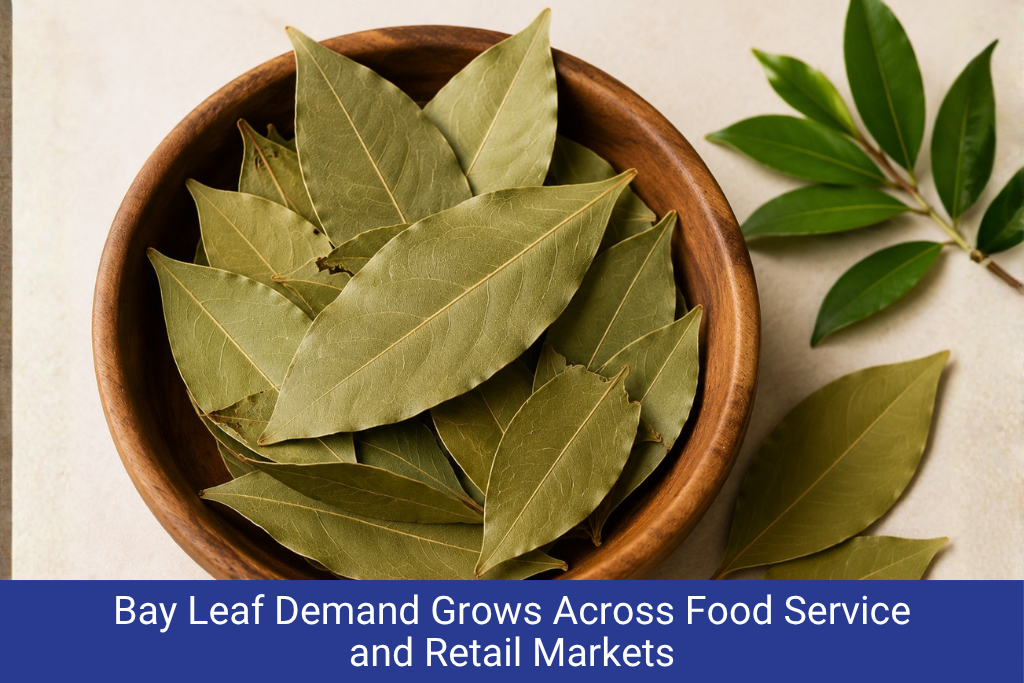
Bay Leaf: Whole Leaf Demand from Food Service and Retail Jars
Bay leaf demand is rising steadily in western markets alongside growing interest in soups, stews, sauces, and slow cooking, where the whole leaf provides aromatic depth that recipes specifically call for. Both food service operations and retail consumers drive this demand, with restaurants using bay leaf in stocks, braises, and sauce bases, and home cooks buying retail jars as slow cooking and scratch cooking regain popularity. Buyers seek hand selected whole leaves with strong aroma, uniform size, and unbroken appearance, since bay leaf is judged heavily on visual quality and fragrance, both of which command premiums.
The spice’s role as a finishing and infusing ingredient rather than a bulk seasoning means demand is steady and quality sensitive rather than volume driven, favoring suppliers who can deliver premium whole leaf grades. India supplies bay leaf to western food service and retail channels, and exporters offering carefully selected, aromatic, visually clean leaves serve the quality focused end of this market. As comfort cooking, meal preparation, and scratch cooking trends continue in western kitchens, bay leaf demand grows correspondingly, with the premium placed on appearance and aroma rewarding suppliers who sort and handle the delicate leaves with care.
Cinnamon: Comfort Flavor with Year Round Beverage Demand
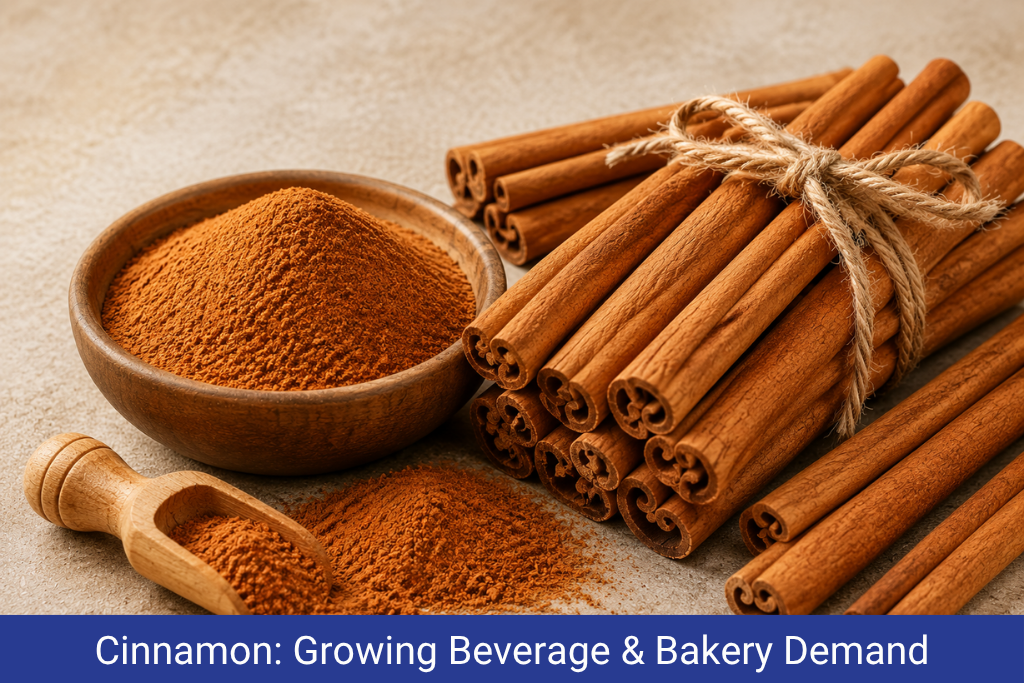
Cinnamon enjoys among the highest and most resilient western spice demand because it spans bakery, breakfast, and beverage applications with both steady year round use and strong seasonal peaks. The spice appears across baked goods, breakfast cereals, oatmeal, coffee shop beverages, and seasonal products, giving it one of the broadest application bases of any spice and keeping it consistently among the top imported spices by value in both the EU and USA. Its comfort flavor associations drive reliable demand that intensifies during autumn and winter when cinnamon flavored beverages, baked goods, and seasonal products surge.
Buyers specify cinnamon type, quill or ground, oil content for flavor strength, and grade, distinguishing between different cinnamon varieties by origin and characteristics. The beverage industry, spanning coffee chains, flavored drinks, and functional beverages, adds substantial and growing demand as cinnamon spiced drinks proliferate. While cinnamon comes from several origins globally, exporters serving western bakery, breakfast, and beverage buyers with consistent quality and appropriate grades access this large, stable market. Cinnamon’s combination of everyday use and seasonal surges makes it a dependable high volume spice with demand that broad consumer familiarity keeps growing.
Dill Seeds: Pickling and Nordic Cuisine Keeping Demand Steady
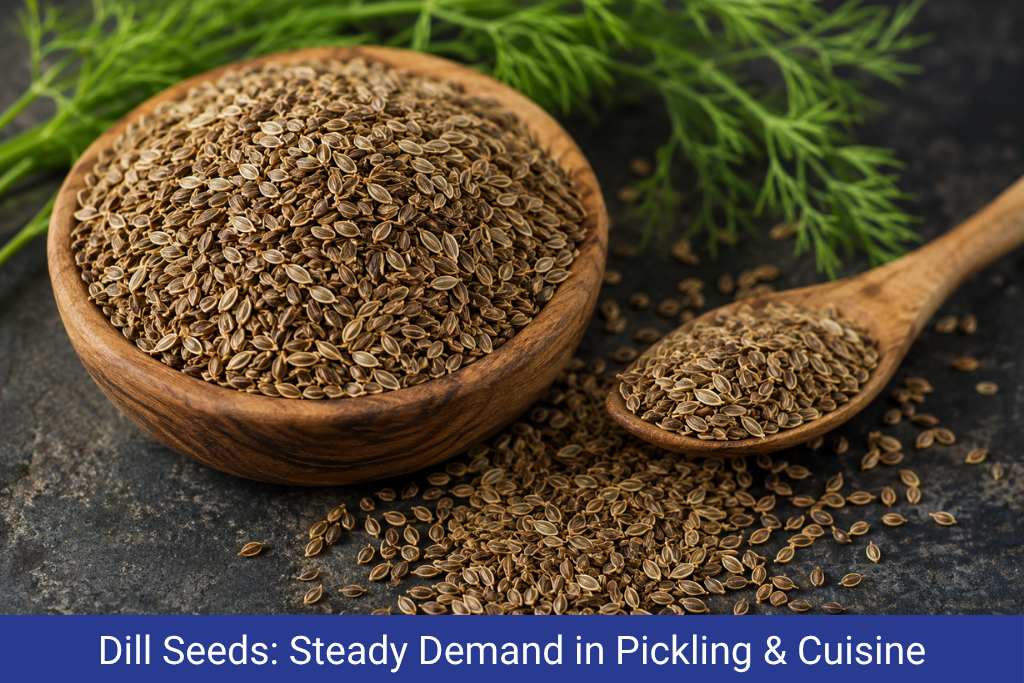
Dill seeds hold reliable and steady western demand anchored by two consistent uses, the North American pickling industry and Northern European culinary traditions, where dill is a defining flavor. The substantial pickling industry across North America consumes dill seed as an essential flavoring for pickles and preserved vegetables, providing dependable baseline demand that tracks the steady pickle market. Northern and Eastern European cuisines use dill extensively in traditional dishes, breads, and preserved foods, adding consistent culinary demand across those markets.
While dill seed demand grows more modestly than trend driven spices like kalonji or fennel, its stability makes it a dependable component of a whole spice export portfolio, with demand rooted in established food traditions rather than volatile trends. Buyers specify purity, essential oil content for flavor strength, and cleanliness. India serves as a principal origin for dill seed, and exporters supplying the pickling industry and European culinary markets access this steady demand. The seed’s role in preservation and traditional cooking gives it resilience, and for exporters building a comprehensive whole spice offering, dill seed adds reliable volume that complements the faster growing spices while serving well established western food applications.
Why Source Whole Spices from Giriraj Enterprise
- Single source consolidation of all ten spices into mixed containers, reducing per product freight cost and simplifying importer logistics
- Sortex color sorting, gravity separation, and metal detection on every lot for the cleanliness western buyers demand
- Steam sterilization capability meeting EU and US microbial norms while preserving flavor and color
- ETO free processing options specifically for European buyers where ethylene oxide is restricted
- Private label whole spices packing from retail jars and pouches to 25 kilogram bulk export bags
- Batch wise pesticide and quality testing aligned to each destination’s maximum residue limits and food safety standards
Frequently Asked Questions
Which whole spice has the highest export demand from India?
Cumin seeds lead Indian whole spice exports by both volume and value to Europe and North America, supported by India’s roughly 70 percent share of world cumin supply and cumin’s foundational role in Mexican, Middle Eastern, and Indian cuisine.
Why is kalonji demand growing in western markets?
Kalonji benefits simultaneously from the black seed oil wellness trend driving supplement and extraction demand, and from the artisan bread movement using nigella seeds as a topping, pushing it beyond diaspora channels into mainstream western distribution.
What purity level should buyers specify for sesame seeds?
Premium buyers specify 99.95 percent purity sortex cleaned sesame seeds for bakery topping and tahini applications, where any foreign matter is unacceptable, along with color grade specifications for hulled white sesame.
Can one supplier ship multiple whole spices in a single container?
Yes. Giriraj Enterprise consolidates cumin, fennel, coriander, ajwain, kalonji, sesame, and other whole spices into mixed containers, reducing per product freight cost and simplifying logistics for importers stocking a range of spices.
Does Giriraj Enterprise provide steam sterilized whole spices?
Yes. Steam sterilization is available to meet European and North American microbial specifications while preserving flavor and color, and ETO free processing options serve European buyers where ethylene oxide treatment is restricted.
Mihir Shah is the CEO of Giriraj Enterprise, a trusted manufacturer, supplier, and exporter of Psyllium products, whole spices, ground spices, herbal products, guar gum and other agro products like Quinoa Seeds, Chia Seeds including Isabgol, Plantago ovata Seeds, Ispaghula Husk Powder and Kha Kha Powder. Founded in 1973 and based in Unjha, Gujarat, Giriraj Enterprise has grown significantly under Mihir’s leadership, establishing itself as a trusted name in the global market. With a focus on high-quality standards and adherence to international food norms, the company serves a wide customer base across the globe.
A strategic thinker with a passion for sustainable growth, Mihir has played a pivotal role in expanding the company’s production capacity, which now stands at 3,000 quintals per month, and in ensuring that Giriraj Enterprise remains at the forefront of innovation in the industry. His commitment to quality is reflected in the company’s stringent in-house quality testing and third-party verification, ensuring that all products meet the highest standards of excellence. He is dedicated to driving customer satisfaction by offering fast, reliable services both domestically and internationally.
Through his writing, Mihir shares valuable insights and knowledge about Psyllium, spices, herbal and other agro products, educating readers on their benefits and the role they play in promoting health and well-being. His goal is to provide factual, transparent information to help consumers and businesses make informed decisions.